Breed History:
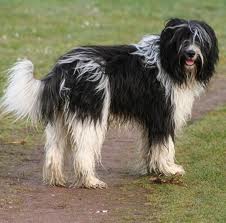
Schapendoes Working Dog
The emergence of this breed is not recorded, but herding dogs were common at the turn of the 20th century wherever there were sheep or cattle across the flat pastures and heathlands of the Netherlands. It is thought that the Schapendoes is related to the extinct German Schafpudel and other long-haired breeds such as the Briard, Polish Lowland Sheepdog, Bergamasco, and Old English Sheepdog.
During World War II, Dutch breeder PMC Toepoel gathered remaining examples of the vanishing type. A breed club was founded after the war, and the breed was stable and healthy enough for the books to be closed to any further outcrosses by the 1970s. Despite its admirable character and good health, it remains a rare breed even in its homeland. It is rarely used as a herding breed today.
Temperament and Qualities:
The Schapendoes standard describes this dog as “jolly”, with a loyal and optimistic personality that makes it an excellent family dog, good with other dogs and children. Like most herding dogs it needs a good deal of interesting activity to keep it happy: it runs with great stamina and is a remarkable jumper, clearing obstacles apparently without effort.
However, given such daily activity it will settle into urban life well. This is a fairly small dog in a big coat:the shaggy hair gives it the appearance of being larger than it really is. This misleading bulk makes the tireless speed and agility of the Schapendoes appear startling at first.
It is an intelligent and brave dog that is independent minded and can be stubborn. It is playful and affectionate with its friends and family.
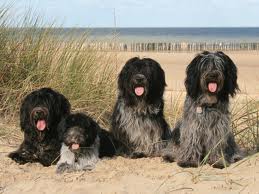
Family of Schapendoes Working Dogs
Ideal Owners:
This dog does best with an active dog-experienced owner in a rural or suburban home.

Schapendoes Puppy.
Description:
The Schapendoes is a large, agile dog with a large head with a wide skull and short, broad muzzle. It has large, round, brown eyes and its ears are naturally drop and set high. It has a long natural tail. It is double coated with a clumpy, long, thick, slightly wavy outer coat. The head and tail are heavily furred, with long feathering on the ears.
Breed Tips:
A major commitment is the long coat, which will need daily attention to keep it in good condition.
Sourced From: