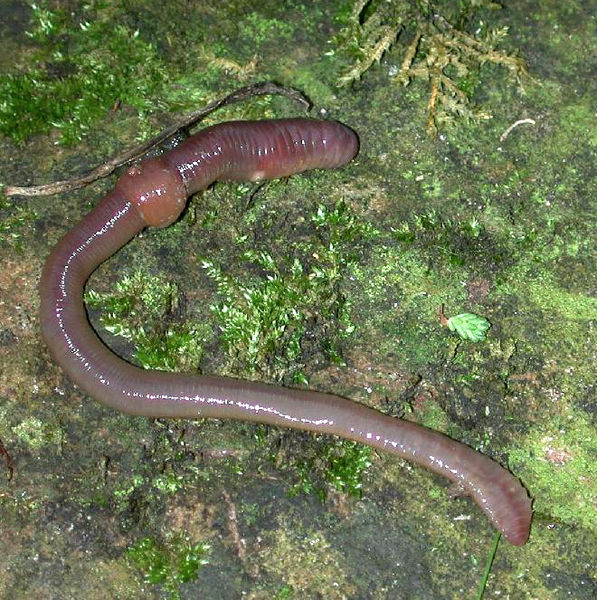
 Probably the most widely established farming business is producing worms for the fish bait market. As bait there is nothing better, because worms produce amino acids not produced by fish, and so have a very appetizing smell to them In fact, fish are lured to the bait.
This market is always under-supplied with quality worms and, if you apply the proper management, you can produce a consistently large active. worm which will always sell at a premium price. Reds and Blues are excellent worms to use and grow to good saleable size in three months, at which time they are worth six cents each. wholesale. Allowed to mature to their full potential or 200 mm +, Blues could well be worth twenty cents each.
Growing Fat Worms
If you want to grow fat worms for fishing, then do not allow the population density to exceed 10,000 per square metre. This will allow the worms plenty of living and growing room. You will need to maintain a higher level of moisture than usual, but at a maximum of about 60 per cent of moisture by weight.
Fattening Food
Corrugated cardboard. which is cellulose. }ended with edible glue, is a good cheap fattening supplement. When using it tear it into strips (the smaller the better) and soak for twenty-four hours before feeding. Once you have put the cardboard into the bed, pour the soakwater across it Cardboard on its own is not a satisfactory diet and can even result in a toxic build-up of boron in the worm castings. It should be combined with fresh manures to produce fat worms quickly. Aside from special diets and many growers have their own secret formula, although these are usually needlessly costly), if you supply plenty of standard feed, growing room and appropriate moisture, you will grow your fat worms in no more than three months.
This chapter outlines an organised method of producing nice fat fishing worms, all of the same size. By following it you will be able to develop quickly a healthy cash flow and at the same time, a large bulk worm bed, boosting its numbers around 200.000 worms per week. All you need to start this chain is 3000 Reds.
The Breeder Box
First, you will need to order an initial supply of 10,000 bulk worms. These worms may be made up of Reds and Tigers, about half each. if you would also like to have Blues, then Earthworm Systems will supply a mix of about .5 per cent Tigers, 30 per cent Reds, and 65 per cent Blues. You cannot buy Blues separately.
Your next step is to procure three market-gardener‘s polystyrene boxes from your local supermarket To the first box add 100 to 150 ram of fresh feed, pre-soaked for twenty-four hours and thoroughly drained. (The best way of soaking feed or peatmoss is to put the required amount in a woven hag and immerse this in a tub of water for twenty- bur hours. After removing it, while the manure is still in the bag, you can stand on it or twist the neck to force excess water through the weave.) Make sure you have your box ready before the worms arrive_
Then carefully count out 1000 mature Reds. The size doesn‘t matter, but they must have a clitcllum. This is a laborious and tedious job, but the rewards arc worth it, and few jobs capable of producing four young. worth doing well are without their pain. Add these to the feed bedding in the polystyrene box, and cover with a piece of hessian, Divide the remaining worms between the other two boxes and give them feed. In seven days, repeat the procedure with your second box, and then a further seven days later with your third. At this time also you must prepare your first Grower Bed. The worms remaining after you have counted out your 3000 breeders will go to start what will become your Bulk Worm bed.
The polystyrene boxes are your Breeder Boxes and, while in them, if your Reis produce capsules at the laboratory trial rate of twice per week, they will produce up to 6000 capsules in twenty-one days. Let us be conservative and expect them to have produced capsules at only half this rate. We can then expect 3000 capsules weekly,each capable of producing four young.
After twenty one days, the first formed capsules could start to hatch and, to avoid this, twenty-one days after starting the box remove the worms by separating them from the bedding by light retraction. Immediately refill the box with fresh bed and put the worms back in.



