 If ponds are to be used to culture fish it is important that the site for the construction of the ponds contains relatively impervious soil to eliminate or reduce the loss of water by seepage. Clay or clay-loam soils are ideal.
Loamy soils can be well compacted and although they may leak slightly in the early stages, tend to seal after a period of time. Ponds that must be constructed in sandy or other porous soils can be made watertight by lining the bottom and sides with clay.
Products are available for sealing ponds, however they are costly and so cannot be used extensively.
It is advisable to have a proposed site surveyed for gravel or sand layers, rock strata and other soil characteristics that may interfere with good water holding qualities.
If land has previously been used for crops, the soil should be tested for accumulated pesticide residues.
Topography:
The area of land selected for a fish farm should be large enough to accommodate ponds or tanks, holding and storage facilities plus a hatchery/laboratory complex should you wish to breed your own fingerlings. The possibility of future expansion must be considered when selecting the land.
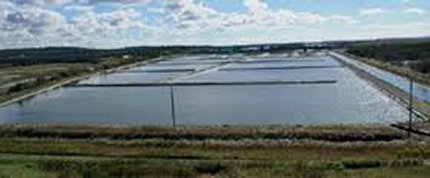
If ponds are to be used, the land should ideally be relatively flat and slope gently from the upper end, above which the source of water or reservoir should be sited. This is so water can be gravity fed into the ponds and thus reduce pumping costs. Drainage or an area for the accumulation of surplus and waste water should be available.
Topography will determine the type of ponds to be constructed ie, excavation, levee or gully. It is advisable to have a topographic survey carried out to determine the feasibility of constructing a fish farm on a particular site and to ensure that he land available is used efficiently.
Suitability of Water Temperatures:
 Because fish are poikilotherms (cold blooded), temperature directly effects their activity and metabolic processes. Species differ in their temperature requirements and have different minimum and maximum lethal temperatures.
The optimum temperature range for the four species of native finfish are between 230 C and 280 C.
Temperature is one of the most important environmental parameters controlling gonadal development.
For example the early phases of egg development in some species of fish are known to be stimulated by low temperature and short photoperiod and inhibited by high temperature. Most species found in temperate regions probably require the seasonal temperature and photoperiod cycle for normal gonadal development.
Water Quality Requirements:
Whether fish are grown out in ponds or within a recirculation system, ideal water quality must be maintained to ensure that optimum survival and growth rates are achieved.
It is recommended that oxygen levels be kept above 4.5ppm even though fish can withstand levels of oxygen as low as 2mg/l for short periods of time. pH should be maintained between 6.5 – 9.0 and alkalinity maintained between 100 – 400ppm to help reduce large pH fluctuations that can occur. Free ammonia levels should be kept at below 0.1mg/l especially under conditions of high pH.
 Most fish will be able to withstand short periods of time outside the recommended ranges for water quality. However this may result in the fish becoming stressed which may lower growth and survival rates and cause the fish to become more susceptible to infections by various diseases.
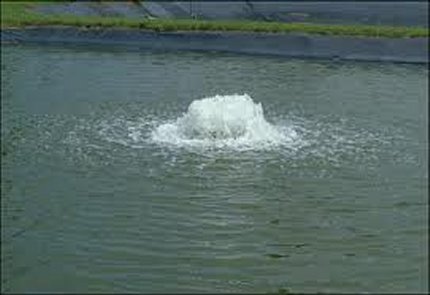
Techniques employed to help manage water quality include aeration, water exchange and regulation of feeding and stocking density.
Other Factors:
Other important factors that must be considered are:
- Susceptibility of the site to flooding
- Availability of electricity (three phase)
- Availability of suitable manpower to operate the farm
- Availability of transport for the dispatch of fry or fish for consumers
- Proximity to markets
- Ability to secure the site against poaching or vandalism.
Information Sourced From:



