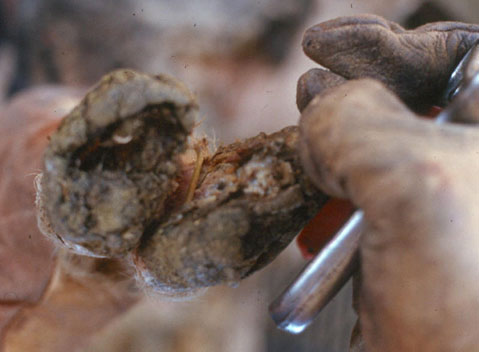
Severe foot rot
Foot Rot
Severe foot rot
- starts as a scald with moist, reddened skin between the claws of the hoof
- as the infection progresses, it spreads and the outer portion of the hoof wall (‘horn) which, starting at the heel, will separate away
- dead tissue appears as a greyish, moist zone beneath the loose horn
- there is often a foul odour, but no pus formation
- maggot infestation is a common complication during the fly season
- acute lameness, sheep walk on their knees if front feet are infected
- sheep lose body condition because of pain and some interference with feeding
- no abscesses form, and the area above the hoof is seldom involved
- sheep may not be obviously affected but they could be carriers.
Cause/Transmission
- both Fusiformis necrophorus and Bacteroides nodosus types of bacteria need to be present to cause foot rot
- initial scald is caused by f.necrophorous bacteria; scald irritation allows b.nodosus bacteria to enter deeper layers; infection created by b.nodosus allows deeper invasion of f.necrophorous
- bacteria is picked up from the soil and certain conditions increase likelihood of infection
- in wet footing (heavy rainfall, marshy pastures) hooves become soft and surrounding skin is easily irritated or injured
- bacteria grow in the absence of oxygen, therefore overgrown or deformed hooves are more susceptible as there tend to be cracks and pockets in hooves
Treatment
- foot rot is notoriously difficult to completely clear up - contact your veterinarian for an exact diagnosis and detailed recommendations for treatment.
- treatment is expensive, labour intensive, and may take weeks to months to be successful
- footbath is essential (formaldehyde, copper or zinc sulfate)
- examine and trim feet of all sheep (even those not showing signs - disinfect trimmers between each sheep)
- identify all affected sheep and isolate as a ‘diseased’ flock
- new cases will likely occur, so monitor ‘clean’ flock closely and remove affected animals as soon as possible
- ‘clean’ and infected animals should go through footbath (individual sheep must stand for at least five minutes)
- your vet can provide a detailed treatment regime
Prevention
- only buy new stock from known and reputable flocks
- check feet on new stock for any signs of rot, and keep in quarantine for 2-3 weeks before mixing with the rest of the flock
- perform regular hoof trimming on the entire flock and/or cull sheep with poor feet
- avoid wet, muddy pastures and corrals if possible
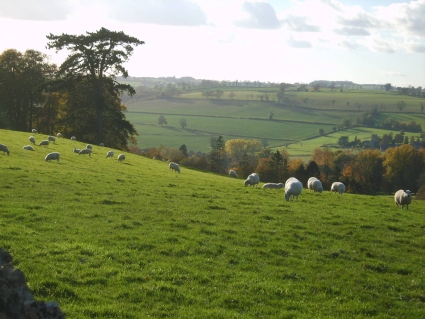 Foot Scald
- inflammation of skin between the toes
- some separation of the hoof from the foot may occur, but there is no greyish rotting and no offensive odour
Cause/Transmission
- caused when Fusiformis necrophorus alone is present
- seen when feet are wet for a prolonged period (heavy rains, marshy pastures)
Treatment
- as infection remains on the surface, treatment less intensive than with foot rot
- put sheep on clean dry ground and they recover quickly
- foot bath may speed recovery.
Prevention
- avoid using wet pastures and corrals
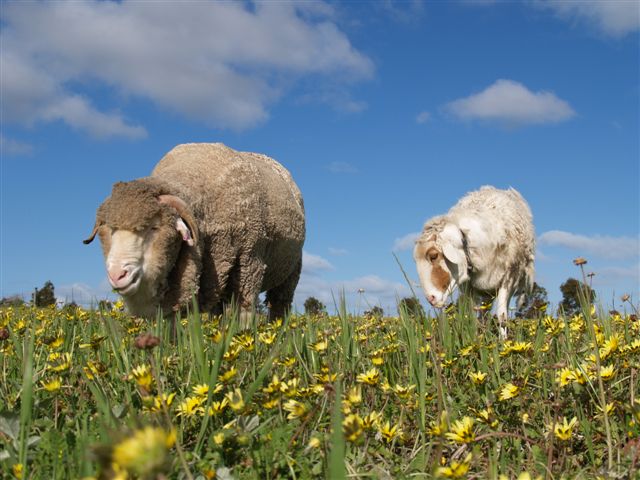 Foot Abscess
- may separate hoof from sole
- often causes swelling and rupture of skin above the hoof
- trimming shows yellowish pus material when abscess is opened
- sheep may become quite ill and die of blood poisoning in acute, severe cases
- if chronic infection is deep enough to involve joints and connective tissues, simple treatment will not be effective and chronic arthritis may develop
Cause/Transmission
- infection entry is through broken toes, scald injury, cracked walls, injury on junky yards, wooden sticks
Treatment
- simple abscesses may be drained, flushed out with 2 per cent tincture of iodine and an injection of antibiotic given into the muscle
- sheep with badly swollen foot may need to be treated by a veterinarian
Prevention
- maintain pastures (clear junk etc)