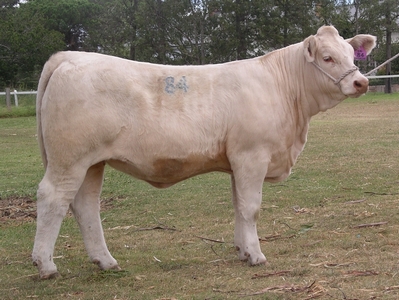
 Guidelines for the retention rate of heifers
Heifers intended as replacement breeders in the herd need to be selected for their ability to:
• Become pregnant;
• Deliver a live calf unassisted;
• Rear their calf to a satisfactory weaning weight; and
• Conceive within 45 days of start of mating after calving for the first
When determining the number of heifers to join, it is important to allow for culling of heifers that fail this screening test. However, if too few heifers are retained, the balance of the breeding herd (target size and desirable age structure) cannot be maintained from year to year. Another option may be to purchase pregnancy-tested in-calf cows, but the impact on the herd age structure and breeding objective would need to be carefully assessed.
When too many replacement heifers are retained, they consume more high quality pasture per calf born than older cows. Although heifers lower the average age of the herd, they are more labour-intensive at calving, and wean lighter calves. However, excess heifers can become valuable sale animals and increase the ability of a beef business to access a range of target markets.
Assess the effect on profitability of options for maintaining heifers to increase enterprise flexibility, such as selling grown heifers.
First, calculate the number of replacement heifers required.
If there are fewer suitable pregnant heifers than required, buy in pregnancy-tested in-calf heifers, subject to appropriate genetic and health specifications. If there are more pregnant heifers than required, sell the excess.
What to measure and when
Determine the number of heifers to be retained in the breeding herd immediately after pregnancy diagnosis of the heifers.