Symptoms of Rabbit Salmonella:
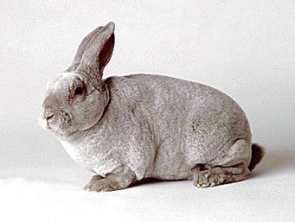 Rabbit Salmonella infections are not often met with, but have been responsible for some outbreaks of disease causing considerable loss.
The two main bacteria responsible are Salmonella typhi-murium and S. enteritidis. The rabbit appears listless and dull, with quickened breathing and a rise in temperature. Loss of appetite is also accompanied by scouring. The symptoms and post mortem appearance are very variable, and diagnosis can only be made accurately by bacteriological examination. The diseases are largely spread through;
- contamination of food
- water and litter by rats and mice which carry them.
- These infections also occurring in poultry, household pets and other animals and possibly being transmitted by them.
Rabbit salmonella infections have very little literature as salmonella occurrence in other animals is more than that in rabbits. Salmonella infection is a known form of bacterial contamination that equally occurs in developed and developing nations. It has common occurrences in animals like monkeys, rabbits, chickens, gerbils, guinea pigs, hamsters, mice and ferrets.
A variety of salmonella strains lead to varied severity of infection in rabbits. It is contagious and spread easily to those who come in contact with it.
NOTE: In some cases, the infected rabbits have been reported to cause hives and skin rash in humans. Thus, it is necessary for rabbit owners to follow proper preventive measures especially if they have children at home.
Historical evidences of the salmonella infection outbreak:
Salmonella illness cases have occurred in most of the animal species during the nineteenth century. As far as salmonella infection in rabbit is concerned there are no significant happenings. The only major outbreak is the one that occurred in a commercial rabbitri in the UK. This epidemic was revealed by Harwood in 1989 wherein it caused abortion and death of pregnant does. Apart from this, Diarrhea and mortality among fat rabbits were also recorded. During this outbreak, Salmonella Typhimurium was isolated from sites of rabbit.
Effects of salmonella infection:
- Salmonella infection leading to morbidity and death, also;
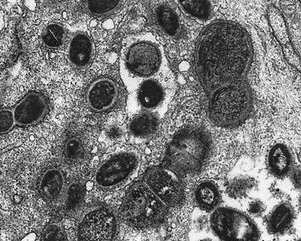
Microscopic image of Salmonella
- Significant economic loss
- Hives infection and skin rash
- Intestinal infection or gastroenteritis
- Abdominal pain
- Watery diarrhea
Precautionary measures for rabbit salmonella infection:
A proper clinical diagnosis has to be followed to confirm the salmonella rabbit infection. Most of the researches published papers describing the severity of its infection. A plenty of such kind of information along with facts and figures are available online. It provides diverse methods to deal with the contagion as per the seriousness of the case.
A regular veterinary check-up is evident for the overall well-being of rabbits, wherein timely vaccinations and disinfectants are applied to the animal. Simple practices like regular hands wash after handling the rabbits proves helpful to the pet owners.
Besides this, an appropriate check of rabbit meat is advised before its consumption. It is clever if you make the rabbit meat germ-free by means of appropriate safeguarding methods.
Treatment for salmonella infection in rabbits:
Generally, there is no specific method to treat the salmonella rabbit infections. In general, various diffusions are used to determine the susceptibility of the strains. More often, ELISA is applied on a large scale. It involves insertion of variety of immunogen into the infected cells of the diseased rabbit. When they cross react with the bacteria, the immune system of the creature gets triggered and develops immunogen to fight with the bacteria.
Sometimes, competent bivalent vaccine is also given to the infected rabbits. It helps the infected animal to develop a good immune system against the bacteria.
On the whole, further research is essential to completely cure salmonella rabbit infections. Extensive research in microbial molecular genetics has miles to go to understand the seriousness of salmonella bacteria. A complete isolation of contaminated animals can be experimented to identify the best possible solutions so that medicines and vaccines can be consequently developed.