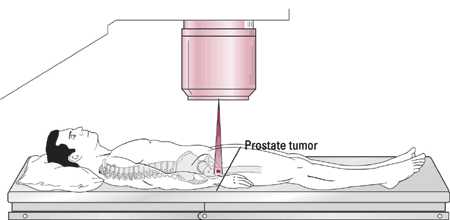
External beam radiotherapy
External beam radiotherapy
External beam radiotherapy uses high-energy x-rays to kill cancer cells or injure them so they cannot multiply. Radiotherapy is usually considered if you have early cancer and are otherwise in good general health. It may be used instead of surgery or in combination with surgery.
Before your treatment session, a radiotherapy technician will set up the machine. You may see the radiation oncologist and have blood tests. Preparation can take 1–3 hours. There can sometimes be delays with machine set-up and maintenance. During the treatment session, you will lie on an examination table under the machine that aims at your prostate. Treatment is painless and each session usually takes about 15 minutes.
Treatment is planned to ensure as little harm as possible to the normal tissue surrounding the prostate. Modern machines are becoming more accurate and are able to limit radiation exposure to surrounding healthy tissue. One radiotherapy technique (conformal) uses three-dimensional beams to match the size and shape of the tumour.
If you live close to a hospital with radiotherapy facilities, you usually have treatment every weekday for up to eight weeks. You can have this treatment as an outpatient and go to the treatment centre or hospital each day for your treatment session. Many men continue to work during the course of treatment.
Side effects of radiotherapy
Radiotherapy can cause erection difficulties in some men. Other side effects, such as tiredness and problems with the bowel and bladder are becoming less common due to the use of conformal machines, which are able to target the tumour more accurately.
- Erectile dysfunction - Problems with erections are common after external radiotherapy in about 50% of men because of damage to the blood vessels needed for erections. Problems may not occur immediately, but may develop over time and be ongoing. For ways to deal with this.
- Tiredness - When your body has to cope with the effects of radiation on normal cells, it becomes fatigued. Your weariness may build up slowly during treatment but should go away when treatment is over.
- Urinary problems – You may experience burning or scalding when urinating, or an increased urgency to urinate. These side effects usually go away after treatment, but your doctor can prescribe medication to reduce any discomfort you experience. Injury to the lining of the bladder can sometimes cause bleeding. This is called radiation cystitis. Radiation is unlikely to cause incontinence but it can cause a build-up of scar tissue that makes it difficult to urinate.
- Bowel problems – Some men may bleed when passing a bowel motion. This is caused by damage to the fine blood vessels in the lower bowel. It is important to let your doctor know if you experience rectal bleeding. A few men may have diarrhoea or experience difficulty holding on to their bowel motions. These problems are usually temporary, but you should see your doctor if they continue.
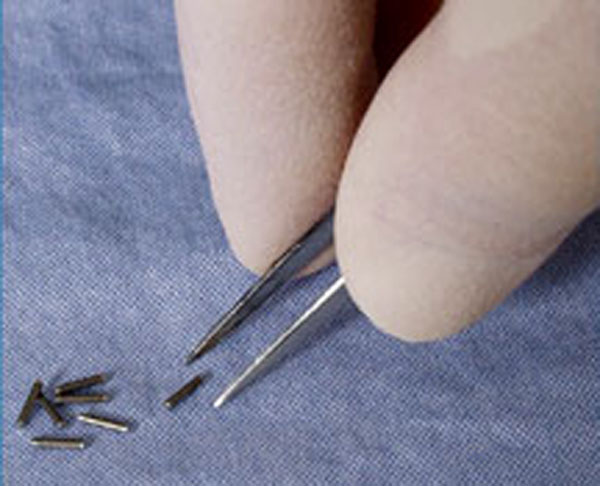
"seeds" used for brachytherapy of prostate cancer
Brachytherapy
Brachytherapy is a type of targeted internal radiotherapy where the radiation source is placed directly within a tumour. This allows higher doses of radiation to be given with minimal effect on nearby healthy tissues such as the rectum. Brachytherapy can be given at either a low-dose rate by inserting permanent radioactive seeds, or at a high-dose rate through temporary needle implants. Brachytherapy is not suitable for men with significant urinary symptoms.
Low-dose rate brachytherapy
Permanent radioactive seeds are used for small tumours with a low Gleason score and a low PSA level. Low-dose radiotherapy is implanted in the prostate in seeds about the size of a rice grain. The seeds, which release radiation that kills cancer cells, are inserted using needles and are guided into place by ultrasound. They lose their radiation effect over time.
This procedure takes 1–2 hours and is done under general anaesthetic. It usually requires an overnight stay in hospital. This therapy is minimally invasive and more targeted, allowing a quicker recovery than external radiotherapy. It is most suitable for men with a small prostate gland and few urinary symptoms.
High-dose rate brachytherapy
High-dose rate brachytherapy is given through temporary needle implants. The treatment is usually given to men with a high PSA level, a high Gleason score and more advanced cancer. It is often combined with external radiotherapy and hormone treatment. Hollow needles are placed in the prostate under general anaesthetic and high-dose radioactive wires are passed down the needles. After a few treatments over 36 hours, the needles are removed. The procedure usually requires a couple of nights in hospital. Some cancer treatment units now perform the implant as a day procedure and repeat it two weeks later.
Side effects of brachytherapy
You may experience the following side effects:
- Urinary problems – Inserting the radioactive seeds causes minimal discomfort, but side effects may include pain when urinating, poor urine flow and bladder irritation. These are temporary and can be treated. They usually start a week after treatment and last up to six months.
- Erectile dysfunction – Around 50% of men experience impotence problems after temporary needle implants. Permanent radioactive seeds have the lowest chance of causing erection problems compared with other treatments.
Other treatments
High intensity focused ultrasound treatment (HIFU) and cryotherapy are emerging prostate cancer treatment options. HIFU destroys the cancer cells using heat and cryotherapy destroys cells by freezing them. Most cancer centres reserve these treatments for patients who do not want to have surgery or radiotherapy, or who are not suitable for those treatments.
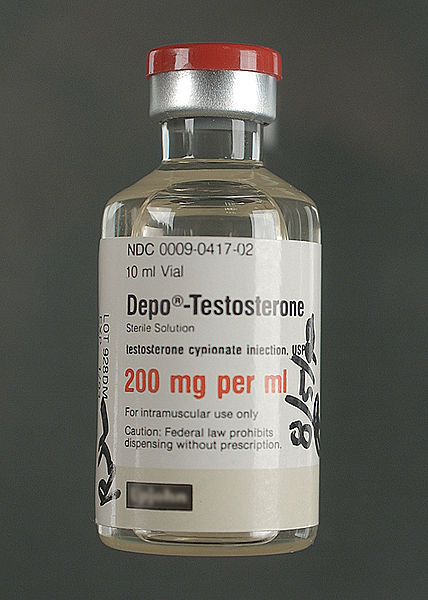 Hormone treatment
Prostate cancer needs the male hormone testosterone to grow. Slowing the production of testosterone may slow the growth of the cancer or shrink it. This is called hormone treatment. Hormone treatment will not cure prostate cancer. It can help with symptoms such as pain caused by the cancer spreading. It will put the cancer into temporary remission. This treatment is often given for several months before radiotherapy and may be continued after radiotherapy to increase the effectiveness of treatment.
Hormone injections
Injections of luteinising hormone-releasing hormone (LHRH) are used to control the production of testosterone. It will not cure the cancer but will often slow its growth for years. LHRH is usually given as a monthly, three-monthly or sixmonthly injection. Treatment can also be given at irregular intervals depending on the needs of the patient. This approach can help relieve side effects caused by treatment.
Hormone treatment by surgery
Most men choose LHRH injections over surgery, however it is also possible to reduce testosterone levels by removing the testes. These types of surgery are uncommon, but they offer a permanent solution:
- Orchidectomy – The removal of the testes. After surgery, a plastic prosthesis can be put into the scrotum to keep its shape.
- Subcapsular orchidectomy – The removal of only the inner part of the testes. This does not require a prosthesis.
Side effects of hormone therapy
Hormone treatment may cause side effects because of the low testosterone levels. These include tiredness, erection problems, reduced sex drive, weight gain, hot flushes, breast tenderness, depression and loss of bone strength (osteoporosis). These side effects can be significant, but your doctor can help minimise the impact. For information on sexuality issues.



