
Vegetables help prevent prostate cancer and other cancers. Author: Nathan Freitas
What you can do
Your odds of prostate cancer prevention may be increased by exercising and eating a low-fat diet rich in fruits, vegetables and fish. Maintaining a healthy weight also can help. There’s no sure way to prevent prostate cancer — but you can make diet and lifestyle choices that might aid in prostate cancer prevention.
While any man can get prostate cancer, it’s most common in older men, in men with a family history of prostate cancer and in black men. Although age, genetics and race are factors you can’t change, there are some factors you can control that may enhance prostate cancer prevention.
Prostate cancer is complicated, and researchers are still trying to understand its causes and determine which prostate cancer prevention strategies are safe and most effective. Following these guidelines may help lower your risk of prostate cancer. These steps may also help prevent other cancers and health conditions such as heart disease.
Nutrition and preventing prostate cancer
So far, research does not support definite nutritional guidelines for prostate cancer prevention. However, you can reasonably act on these suggestions:
- Eat sensibly. Eat moderate-sized portions and keep your calories under control.
- Choose balanced meals. Prostate cancer rates vary greatly from one country to another, with the highest rates appearing in countries where people tend to eat a lot of fat. A diet high in saturated fats (such as animal fats found in red meat) may pose the greatest risk.
- Eat a variety of fruits and vegetables. A diet high in fruits and vegetables has been linked to a lower risk of various kinds of cancer. Foods high in folate — a B vitamin found in spinach, asparagus and some beans — may be helpful. Also, eating vegetables with diindolylmethane — a nutrient found in cruciferous foods such as broccoli, kale and cabbage — might protect against prostate cancer. Studies show mixed results about whether lycopene — an antioxidant found in tomatoes — lowers prostate cancer risk.
- Choose healthy foods. Opt for whole-grain foods, such as brown rice, quinoa and whole-wheat bread. Limit sweets and salt.
- Drink alcohol in moderation. Generally, this means no more than two drinks a day for men. Studies show that regular heavy drinking increases the risk of aggressive prostate cancer.
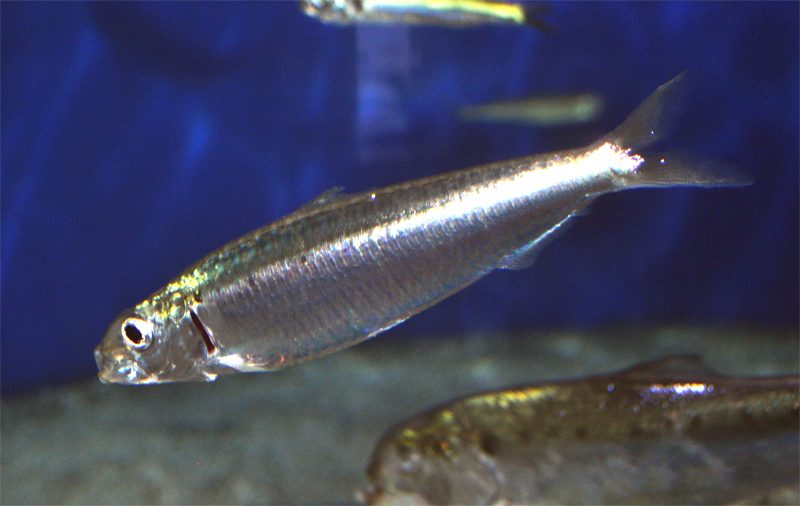
Sardines are an excellent source of Omega 3 which helps protect against prostate cancer. Author: Citron
Experts are still studying other foods to see whether they help prevent prostate cancer. While the verdict’s still out, eating more of these foods probably won’t hurt — and may help prevent cancer and other health problems:
- Eat foods rich in omega-3 fatty acids. While a diet high in most kinds of fat is linked to a higher risk of cancer and other health problems, there is an exception. Omega-3 fatty acids — a type of fat found in cold-water fish such as salmon, herring and mackerel — may reduce the risk of certain cancers. Study results are mixed, and some researchers say eating these fats has no effect on cancer. But these fats are still a healthy addition to your diet.
- Eat soy products and legumes. Soybeans and other legumes contain phytoestrogens, which are plant-based chemicals that behave like the hormone estrogen in the human body. These chemicals might help to prevent prostate cancer. In fact, one possible explanation for lower rates of prostate cancer in Asian men is that they eat more soy protein.
- Drink green tea. Green tea contains antioxidants such as polyphenols that may help prevent certain cancers and other health problems.
- Get enough vitamin D. Not many foods contain vitamin D, but fish liver oil, cheese and egg yolks contain some. Check with your doctor to see if you need a vitamin D supplement. Some studies suggest that vitamin D may help prevent prostate cancer.
Obesity and prostate cancer
Researchers have not established a direct link between obesity and incidence of prostate cancer. However, obesity might affect levels of hormones related to prostate cancer risk. It may also increase the risk of dying of prostate cancer.
Strategies for preventing obesity include:
- Following guidelines for a healthy diet
- Meeting with your doctor to develop a plan for physical activity
- Doing some form of aerobic exercise for 30 minutes or more daily
Selenium and Vitamin E
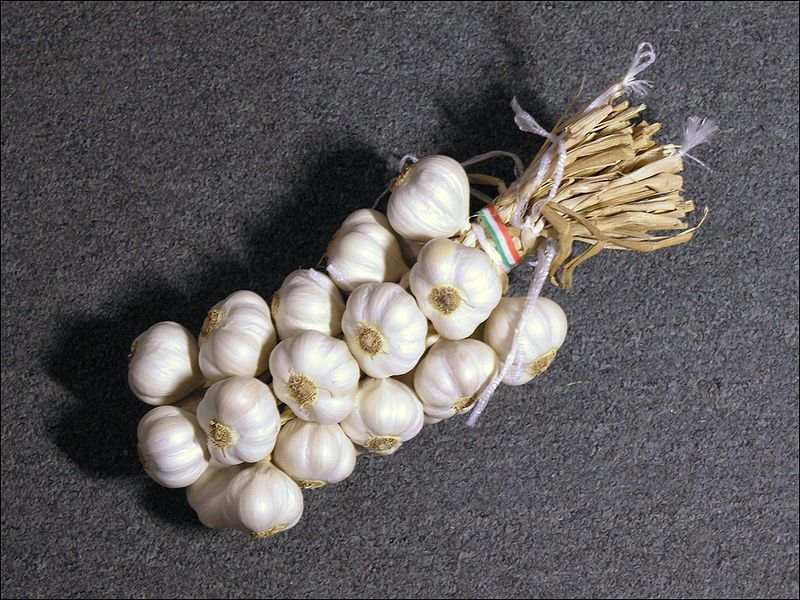
Garlic is a good souce of Selenium. Picture by Mat?j Ba?ha
Some nutrition research had suggested that daily doses of the mineral selenium, vitamin E or both may have helped to prevent prostate cancer. But further study has shown these supplements have no effect on prostate cancer. In some cases, these supplements may cause side effects or lead to other health conditions.
Before using any supplement, talk with your doctor. This is particularly important if you’re taking other over-the-counter or prescription medications. Taking vitamins, herbal medicines or nutritional supplements can pose health risks, especially in high doses. Some may even increase the risk of prostate cancer.
Prostate cancer risk: A common-sense perspective
Prostate cancer is the second most common cause of cancer death in men, exceeded only by lung cancer. Even so, prostate cancer affects far more men than it eventually kills. According to the American Cancer Society, about 1 in 6 men in the United States will be diagnosed with prostate cancer during their lifetime. Yet only 1 in 35 men in the U.S. will die of the disease.
Why does the number of prostate cancer cases exceed the number of deaths by such a large ratio? One answer is that prostate cancer generally progresses more slowly than many other types of cancer. Many men live with it for years. Many survive disease-free after treatment. And others refrain from treatment while closely monitoring the cancer’s progression — an approach known as “watchful waiting.”
To keep your risks in perspective, stay in regular contact with your doctor about your prostate health. Ask about prevention strategies that make the most sense for you, given your current health and medical history.
An annual prostate checkup can’t reduce your risk of cancer, as perhaps a healthy diet and exercise can. But if prostate cancer does develop, a digital rectal exam (DRE) and a prostate-specific antigen (PSA) test may discover the problem in its earliest stage, when treatment can be most effective.
Article by Mayo Clinic Staff.