 Planning a new enterprise is not something that should be done lightly. You need to thoroughly research the industry and the operational factors associated with the enterprise. The information provided below is designed to assist you with your research.
Information should be gathered from a broad range of sources: managers of similar enterprises, other local farmers, publications, the internet, departments of agriculture and primary industries, industry experts, interest groups, financial advisers and consultants.
Goals
Before undertaking any enterprise change you need to have a clear understanding of your personal and business goals; ie. what do you and your family want from life and what do you want from the business? Considering the following factors:
Lifestyle preferences:” Where do you want to live?”, ” How hard do you want to work?”, “Is it a full-time or part-time commitment?”, ” When and how often do you want holidays?”.
Your income requirements: - During the establishment phase and when the enterprise is fully operational.
Skills:” What skills do you have?”, ” Are you willing to undertake further education and training?”, ” Have you worked with animals?”, “Have you worked with goats?”.
All members of your family and business partners need to be involved in this process.
Once you have a clear understanding of what you want from your life and your business, you then need to ask yourself: Will a goat enterprise allow me to achieve these goals?
Enterprise choices
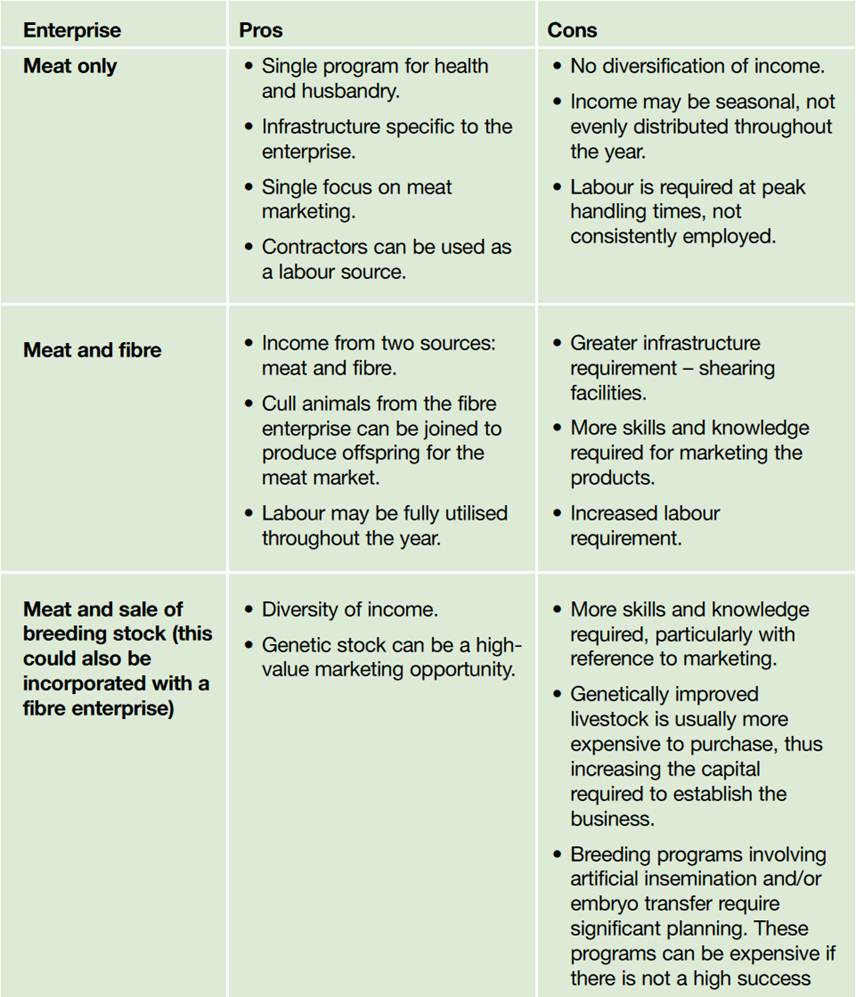
Goatmeat production can be the sole enterprise, part of a mixed business or a by-product of another enterprise, such as fibre or dairy.
This table outlines some of the advantages and disadvantages of different goat enterprise mixes.
An analysis of a potential enterprise’s strengths and weaknesses may also assist you in making business decisions.
Commonly referred to as a SWOT analysis – strengths, weaknesses, opportunities, threats.
Strengths: “What are the advantages offered by the enterprise?”, “What positive attributes will you as a manager bring to the enterprise?”, “What will make your business different from the competition?”.
Weaknesses: “What are the potential weaknesses of the enterprise?”, “What should be avoided?”, “What could cause problems?”.
Opportunities: “What are the industry trends that could benefit your enterprise?”.
Threats: “What obstacles do you face?”, “Are there any factors that could threaten the enterprise?”.
 Aim to work with the strengths and pursue the opportunities. You need to be aware of the potential threats and to put risk management strategies in place in order to minimise negative impacts. Work to correct any weaknesses.
If the threats and weaknesses out-weigh the strengths and opportunities; then the enterprise in question may not be the most appropriate use of your time and money.
You might also like to use this analysis technique (SWOT) to assess other aspects of your farm business; your people, your natural resources, your whole business including profitability and productivity and your marketing including product specifications and supply.
Customers and processors
You need to be assured that there is a ready market for your product, by considering the availability of buyers and/or processors in the area where you are planning to establish your goat enterprise. The article Goat Marketing provides information that can assist you in developing a marketing strategy for your enterprise. This aspect of your business should to be thoroughly researched during the planning phase. If your customer base is distantly located there are distinct disadvantages:
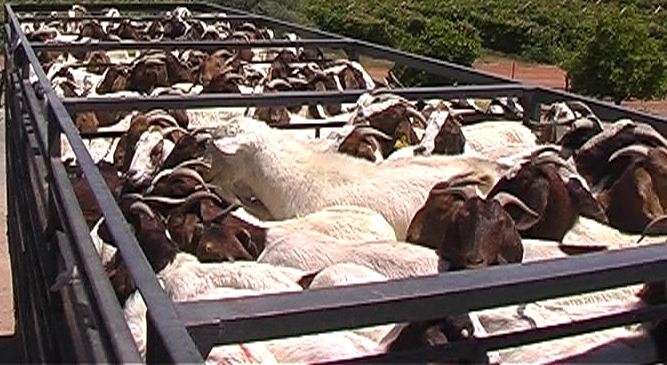 Availability of transport – transport needs to be reliable and timely; “Are there suitable transport contractors in your area?”, “If not, do you have the capacity to provide transport yourself?”.
Cost of transport – the greater the distance that you have to move stock, the greater the associated transport costs. These costs need to be factored into your budget calculations.
Length of transport journey – there are animal welfare issues associated with transporting stock. Lengthy journeys can be very stressful for goats. If using contractor transportation, make sure that the contractor complies with the Code of Practice for Transportation of Livestock (refer to article Goat Industry Obligations), which dictates appropriate times that stock can spend in transport and frequency and length of breaks.
Impact of transport stress – during transportation, goats will lose weight and their food intake will be depressed for up to five days after transportation.
Stress can also impact on meat quality. Meat from animals that have been stressed prior to slaughter can be tough, dark-coloured and more prone to salmonella infection. If rangeland goats are transported over long distances, stress can cause a condition called ‘capture myopathy’. This is a muscular degeneration. It is not immediately fatal, but can cause death by kidney malfunction later in life. For more information on symptoms and management of common health problems refer to the article Goat Husbandry.
Suitability of land for goats.
The best resource when researching a district, or a specific property, is other local farmers, as they will have an intimate knowledge of the area. A farm map or aerial photograph may also assist you in your assessment of land, and can be used to plan improvements.
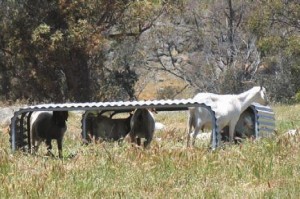 Shelter – goats are very susceptible to heat and cold stress. If the property does not have sufficient shelter from wind and cold, and shade from the sun; “How practical and costly will it be to establish shelter and shade?”. Shelter is also important during kidding and provides protection from predators.
Soil type – soils vary in their texture, water-holding capacity, natural fertility, salt levels, drainage, acidity/alkalinity and stability. These factors influence the type of plants that will grow, quality and quantity of plant growth and how the soil will stand up to animal traffic, ie potential for erosion, compaction and pugging.
Corrective actions can be taken to overcome some soil problems, for example capital fertiliser inputs, application of soil ameliorants (eg lime and gypsum), improvements to drainage and treatment of erosion and salinity problems. However, the costs of these activities need to be carefully considered.
To find out more about the soils of a particular property, you may consider; conducting soil tests – these will tell you about nutrient levels, texture, salt levels, acidity/alkalinity - seeking advice from a soils specialist – most departments of agriculture and primary industries or private consultants, will be able to provide you with some information about local soil types and their production capabilities consultants - talking to local farmers.
Climate – rainfall, temperature, humidity, weather patterns and incidence of extremes.
Rainfall and soil temperature are the critical factors influencing plant growth. These two factors will influence the types of plants that grow in an area, the length of growing season and the quantity of growth.
Weather patterns and incidence of extremes will directly impact on animal performance. These two factors will also influence the timing of farm management activities. For example, access to and from remote properties can be severely restricted for long periods during wet weather. This has implications for the timing of stock sales.
Coastal areas also present a number of challenges. Due to the wet climate, there tends to be a greater incidence of parasites, thus requiring increased animal husbandry. There is also an increased possibility of trace element deficiencies in these areas.
Feed availability – quality and quantity of available feed and knowledge of the timing and size of feed deficits and surpluses. Feeds suitable for goats include grasses, herbs and shrubs.
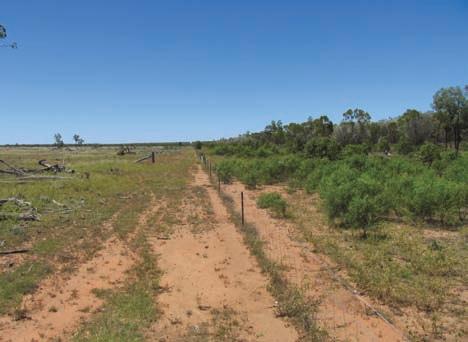
Managed correctly, goats can be a cost-effective tool in managing regrowth. The regrowth to the left of the fence in this photo was controlled using goats, whereas the area to the right of the fence has been left unmanaged.
A good understanding of feed availability is important in terms of making a decision about the type of enterprise a property will support and the stocking rates that can be achieved. Plant growth (feed availability) is strongly linked to soil type, rainfall and temperature. Local knowledge is critical. Often information about growth rate will be available from the local department of agriculture or primary industries. You can also learn to estimate feed availability using visual assessment techniques.
Feed budgeting is a tool that can assist you in making decisions about stock numbers and classes that can be run on a property. It can also help you to identify and quantify surpluses and deficits. The basis for feed budgeting is a monthly analysis of how much feed is grown, compared with the quantity required by stock.
More information on this topic is presented in the article Goat Nutrition.
Access to water – quality and quantity of water.
When assessing the suitability of a property, you need to know the quantity, quality, location and reliability of the water sources; these will determine the number and class of goat that can be run on a property. The article Goat Nutrition includes a table which outlines the water requirements of goats. Major water sources will require a Water License.
The location of the water sources will influence stock management. The greater the distance that goats have to travel to water, the more energy is required for activity, so there needs to be water available in each paddock or grazing area. Goats will tend to graze within comfortable walking range of water. This has implications for the grazing coverage of the property. For example, goats grazing in rangeland areas will stay within about 5km of a water point.
Topography – landscape features (streams, hills, forest, lakes).
 Understanding the lie of the land on a property will assist you in planning your farm layout. Topographic maps, contour and hydrology (the nature, distribution and circulation of water above and below the surface) overlays and aerial photographs will help you to visualise landscape features.
Different components of the landscape require individual management. ‘Landclass’ fencing which is the separation of areas requiring different management, involves consideration of both landscape features and soil type.
Examples: Stock will graze flats and slopes differently, so to encourage even grazing 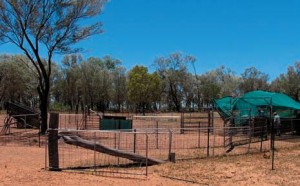 pressure it may be useful to separate these areas with fencing. Plants will also grow differently on flats and slopes, so Landclass fencing will allow grazing management to incorporate appropriate rest periods for the pasture. Streams can be vulnerable to stock damage; bank erosion, contamination from dung and urine, damage to riparian vegetation. Fencing to control stock access can benefit waterway health. Also, river flat environments may be too cold and wet for grazing over winter, so goats should be excluded from these areas during that time.
Threat from predators – With a realistic understanding of the potential threat posed by predatory animals, consider the cost, practicality, and long-term effectiveness of reducing this risk.
Strategies may include predator-proof fencing, pest control programs and/or guard animals. Refer to the article Goat Husbandry for more information on predator control. If the threat level is very high in a particular area, the costs of controlling predators may render a goat enterprise uneconomic.
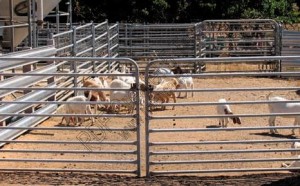
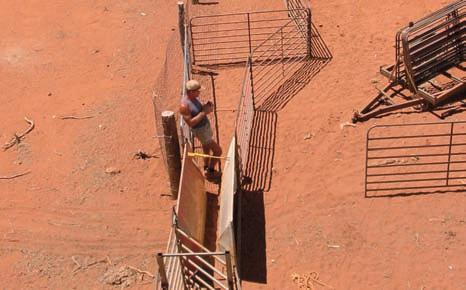 Established infrastructure – fencing, yards and handling facilities are essential for effective management of goats.
Goats require different infrastructure to cattle and sheep, although existing infrastructure can be modified to support a goat enterprise. This is one of the first things that you will need to address when you set up a new enterprise. Infrastructure is expensive to establish. The construction and/or modification options need to be carefully researched, and these expenses factored into the enterprise set-up costs. The article Goat Industry Infrastructure provides more information on this topic.
Scale of operation
Having identified your desired income and investment level, assess whether the enterprise under consideration will be able to provide the necessary income stream. The main factor that will influence this is the number of stock being turned off each year. As discussed earlier, stocking rate is strongly influenced by the suitability of land for goats. You need to find out about the potential stocking rate that can be achieved in a particular area. There is a range of decision support tools that can assist you in determining the appropriate stocking rate for an area, eg the GrassGro™ software program. However, local knowledge is always the best indicator. With this knowledge you can then calculate how many hectares will be required to turn off the amount of product required to generate the desired income. Overstocking is generally unsustainable and should be avoided.
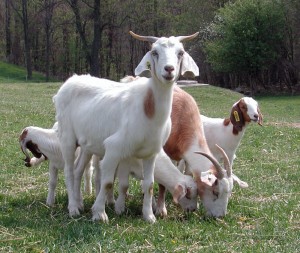 The size of the property and the intensity of the operation will dictate the labour and infrastructure required to manage the property (fencing, handling facilities, yards, water supply). Refer to the article Goat Industry Infrastructure for more information. Labour and infrastructure development can add significantly to your costs, and need to be factored into the financial analysis of the operation. If extra labour is required, you also need to consider your skills in terms of managing staff, and the degree to which the property is compliant with Occupational Health and Safety standards.
Take a long-term view of your business. If you can foresee future expansion, you should consider whether the property in question will allow you to grow your business. Consider the costs and practicality of moving the enterprise, compared with further developing it on your chosen site, in years to come.
Financial implications
Your financial analysis should address the following:
Annual profits – income less costs.
Cash flow patterns.
Gross margins for comparison of different enterprises – income minus variable costs and animal replacement costs, expressed on a per hectare, per head, or per $100 of capital investment basis.
Return on investment – the annual rate of return earned for the amount of money that you have invested in setting up the enterprise. This should be compared with the interest that could be earned from alternative investment options.
The article  Goat Enterprise Financial Analysis article deals with this topic in some depth.
Fitting in with existing enterprises.
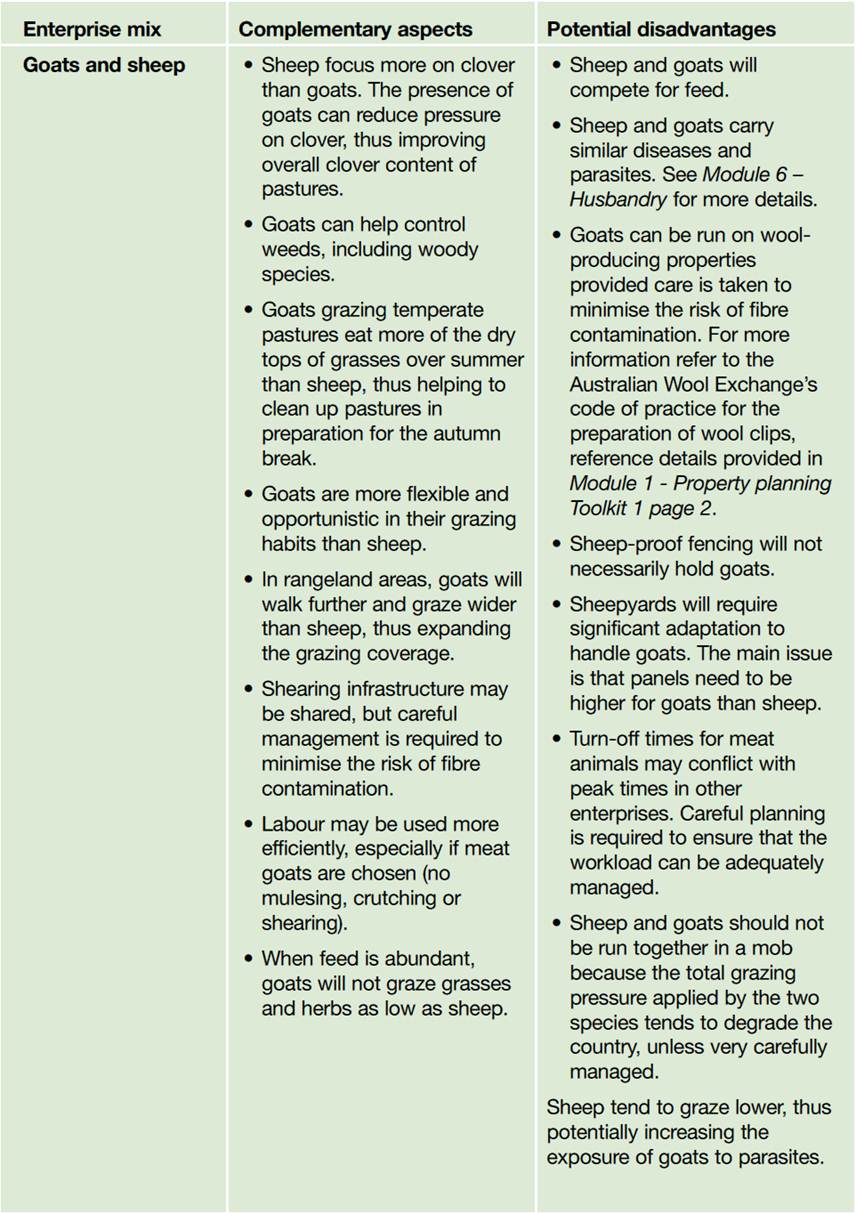
Many farm businesses involve several interrelated enterprises, eg sheep, beef, cropping, fodder conservation. These enterprises will compete for resources such as land (pasture), labour and capital, but may also complement each other in the way they are structured.
If you are considering incorporating a goat enterprise into an existing farming business, the following table provides some insights into how some of the more common enterprise mixes work in a practical sense.
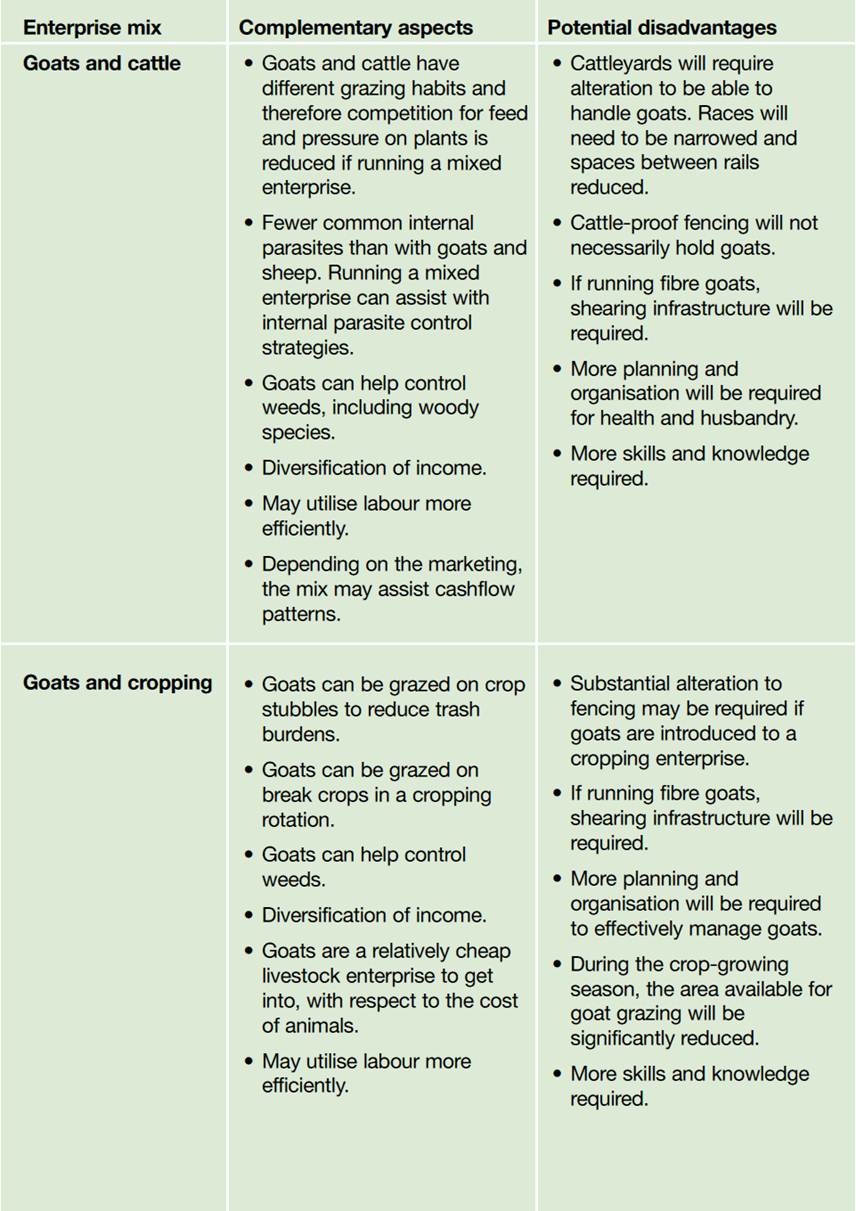
Planning considerations.
When establishing a goat enterprise you need to consider the social and environmental impacts of the business.
Have consideration for your neighbours. This means managing your animals in a responsible manner. Ensure that boundary fencing is goat-proof. Animals that stray on to other people’s properties, roads or public land can cause community conflict. There are issues in terms of the potential spread of disease, unwanted matings, damage to vegetation, public nuisance, the threat of contributing to the unmanaged population and, on roads, the risk of traffic accidents.
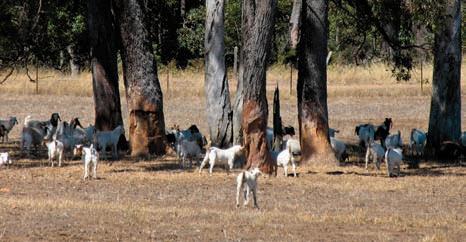
Under some circumstances goats have the potential to ringbark trees. Corrective action should be taken such as fencing off at-risk trees as soon as such activity is observed.
Be aware of the potential impacts that your enterprise may have on the environment. Some areas of land are fragile and are not suitable for a grazing enterprise, or require very careful management to prevent further damage. The sorts of things that you need to consider are erosion risks, salinity problems and threatened native vegetation. Well managed goats are kind to the land. However, managed irresponsibly, goats have the potential to degrade land quicker than sheep or cattle.
Every property is part of a water catchment, and, as such, your management has impacts beyond your property boundary. You need to be aware of the potential impact that your enterprise has on the water quality of streams and wetlands, habitat and food supply for wildlife, disease transfer, weed populations and soil health. The enterprise should be managed in such a way that it is in harmony with the environment, minimising the risk of environmental degradation.
When establishing a new enterprise, you need to comply with any planning requirements that may exist in the area. Seek advice from relevant local authorities, such as local government and the department of agriculture or primary industries. You should also refer to article Goat Industry Obligations for specific state-based information.
Remember that you are part of a broader industry and that your actions will reflect on the image of the goat industry as a whole.


