Clinical Signs
Clinical signs of nitrate poisoning are related to the lack of oxygen in the blood. Acute poisoning usually occurs between a half hour to four hours after consuming toxic levels of nitrate. Onset of symptoms are rapid and include:
- bluish/chocolate brown mucous membranes
- rapid/difficult breathing
- noisy breathing
- rapid pulse (150+/min)
- salivation, bloat, tremors, staggering
- weakness, coma, death
- dark “chocolate-colored” blood
Pregnant females that survive nitrate poisoning may abort due to lack of oxygen to the fetus. Abortions generally occur approximately 10-14 days following exposure to nitrates.
Diagnosis
Diagnosis of nitrate intoxication is based on observed clinical signs and the possibility of exposure to toxic plants or water. A veterinarian should be consulted for a definitive diagnosis. Laboratory analysis can be performed on suspected plants, water, stomach contents, blood, urine, and aqueous humor of the eye of dead cattle to confirm the diagnosis. Postmortem specimens of rumen contents are of little value for nitrate determination because most nitrate in the rumen is reduced by anaerobic fermentation to ammonia.
Samples from fresh grass or dry forages need to be representative of the field or bales in question. These samples should be packaged in a clean plastic bag and shipped to the laboratory for analysis. Water samples must be collected in a sterile bottle. When collecting from a water system, let the water flow for a couple of minutes before collecting the sample.
Results of chemical analysis are interpreted according to guidelines in Table 1. These guidelines apply to livestock only.
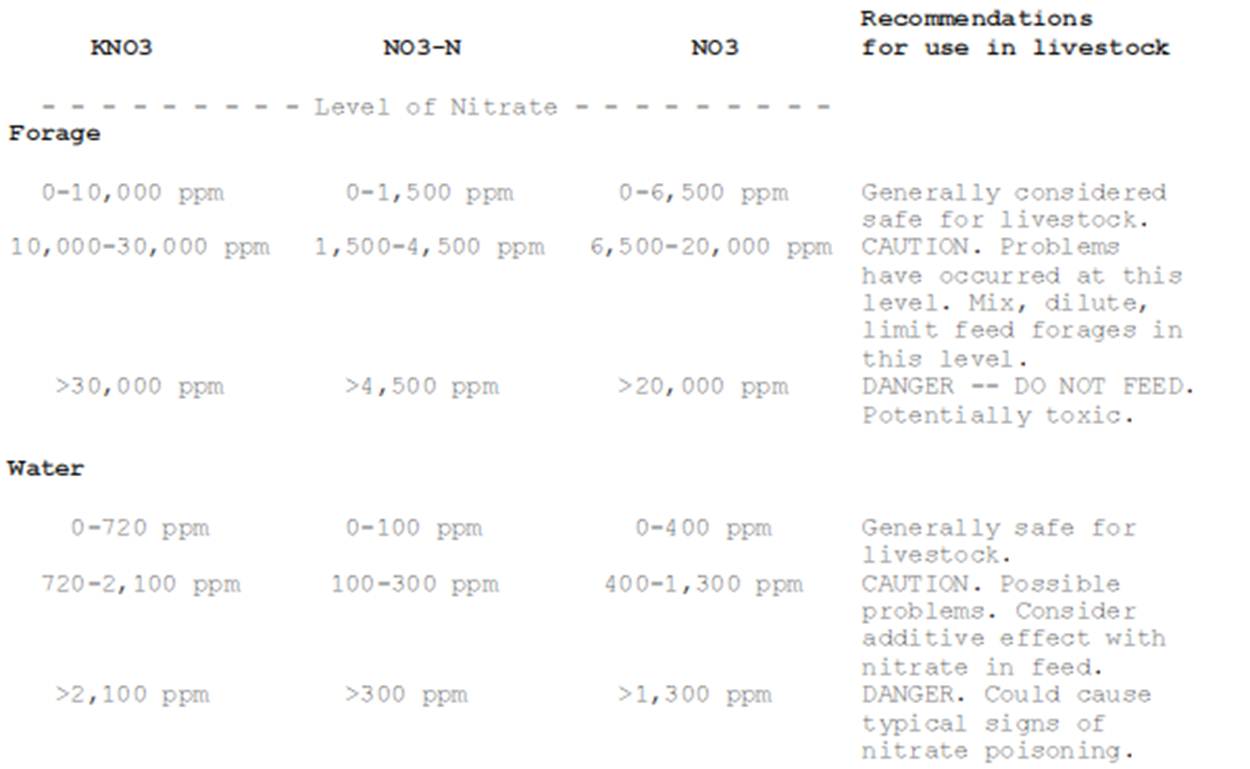
Table 1 Interpretation of laboratory results.
Treatment
Animals can be treated by intravenous injections of methylene blue. Commercial preparations intended for treatment of prussic acid poisoning only should not be used to treat nitrate poisoning. It should be noted that methylene blue is not approved by the FDA for use in food-producing animals. You must consult your veterinarian before using this treatment.
Prevention
Prevention of nitrate poisoning is best achieved by controlling type and quantity of forage offered to livestock. Avoid forages with potentially toxic levels of nitrate or at least dilute them with feeds low in nitrate. When in doubt, have feeds and forages analyzed for nitrate before grazing or feeding them. Forages with sub-lethal nitrate levels can be fed to livestock with appropriate precautions. No single level of nitrate is toxic under all conditions. When grazing, feed a dry roughage first to reduce the amount of affected plants ingested by hungry animals. Harvested forages that are high in nitrate can often be safely fed by mixing with other feeds to reduce the total dietary intake of nitrate. Contact your veterinarian or extension personnel if you need assistance in determining the correct ratios of high and low nitrate forages to blend to develop a ration for a particular class of livestock.
Management Guidelines
- Drought-stressed small grain forages and other forages suspected of being high in nitrates should be tested before feeding.
- Dilute high nitrate forages with other forages or feedstuffs which are low in nitrates. This can bring the nitrate level of the diet down low enough where it is safe to feed.
- Frequent intake of small amounts of high nitrate feed helps adjust livestock to high nitrate feeds and increases the total amount of nitrate which can be consumed daily by livestock without adverse effects.
- Allow cattle time to adapt to increased nitrate in the diet. If nitrate levels are not excessively high (9000 ppm nitrate) the animals can adapt to increasing amounts in the feed.
- Allow livestock access to fresh, nitrate-free water at all times.
- Be sure you don’t overstock pastures when grazing high nitrate forages. Overstocking increases the amount of high nitrate plant parts (stems and stalks) that are consumed by livestock.
- Do not strip graze high nitrate forages. Strip grazing also increases the amount of stem and stalk material consumed by livestock.
- Do not allow hungry cattle access to high nitrate forages or pastures. Feed cattle hays or forages low in nitrates before turning them onto high nitrate pastures.
- Supplement cattle grazing high nitrate forages with other low-nitrate feedstuffs such as low nitrate forages, feed grains, or byproducts.
- If possible, graze cattle on high nitrate pastures during the day and remove them at night for the first week of grazing. This reduces the amount of high nitrate forage consumed and helps acclimate cattle to the high nitrate levels.
- If possible, don’t graze high nitrate pastures until one week after a killing frost.
- Observe cattle frequently when you turn into a suspected field or pasture in order to detect any signs of toxicity.
- Cattle in poor health and condition, especially cattle suffering from respiratory disease, are more susceptible to nitrate poisoning.
- Consider harvesting and feeding high nitrate forages as silages. Nitrate levels are reduced by the fermentation process that occurs when feeds are ensiled.
- Do not allow cattle access to areas where fertilizers are stored.
- Do not feed green chop which has heated after cutting or which has been held overnight. Heating favors the formation of nitrite which is more toxic than nitrate.