 The ability to optimise returns from the sale of livestock depends on the selling method you choose and the sale process you follow.
Livestock selling systems vary in their overall efficiency and suitability for individual enterprises or circumstances. The methods available are outlined below.
Selling methods
Saleyard auction
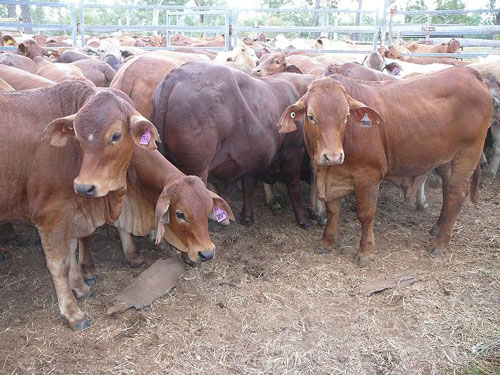
Livestock are transported to central saleyards and sold to the highest bidder, fetching prices that reflect the supply and demand of the market place on the day.
Paddock sale
Stock are inspected on the vendor’s property by the buyer or agent and sold straight out of the paddock.
Stockyard sale
Stock are weighed and graded, then priced for sale.
Over the hook
Stock are delivered directly to the abattoir, with change of ownership taking place at abattoir scales. The terms of sale will vary between abattoirs.
AuctionsPlus
Provides electronic online auctions for the sale of livestock by description (formerly called CALM). AuctionsPlus combines the best features of the saleyard system while allowing direct consignment to the abattoir or buyer.
Forward contracts
A contractual agreement between a seller (eg producer) and a buyer (eg processor) to supply a given product at a future point in time for a given price. In some cases, the price is fixed, thereby reducing the producer’s exposure to a fall in market price.
Producer alliances
A group of producers working together in groups to properly service market place requirements to the benefit of themselves, their customers, and others in the beef marketing chain.
Value based Marketing
Refers to the principle of being paid for the inherent value (quality and quantity) of the product to the buyer and end user.
Any selling system that provides clear signals from the retailer or consumer back to the producer and has a pricing system supporting those signals is a value based marketing system.
Cattle futures
Cattle futures are an obligation to buy or sell a specific quantity and quality of cattle on a specified future date. The price is determined by the futures market price when entering into the contract.
Cattle futures offer producers an alternative method of securing a sale price in advance, thereby reducing exposure to adverse price movements.
The MLA/SFE Cattle Futures contract is a cash-settled contract and, as such, is used in conjunction with the producer’s chosen selling method.
Further information
Cattle futures
To learn more about how cattle futures can be used to secure returns for the cattle you produce, the following brochures are available on www.cattlefutures.com.au
• Managing price risk – for producers
• MLA/SFE Cattle Futures – a guide
• MLA/SFE Cattle Futures – contract specification
• Eastern Young Cattle Indicator
Training courses on marketing
Training courses may offer an opportunity for you to learn how to improve the way you market the cattle you produce.
MLA’s EDGEnetwork program offers a series of structured learning workshops tailored to producers’ needs. The EDGE marketing component includes such courses as:
• Markets and customer needs
• Market intelligence
• Marketing performance
• Marketing strategy and plan
• Negotiating the sale
• Selling options
• Understanding marketing
• Effective pricing