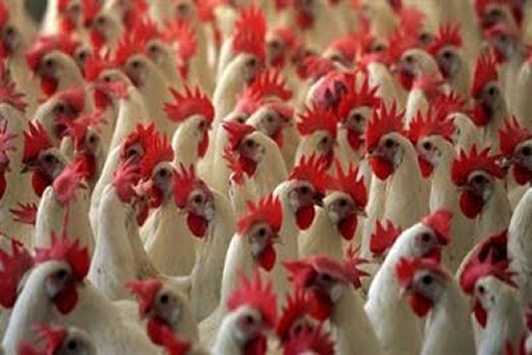
 Disease management.
Cleanliness and isolation are the major factors that keep a poultry flock healthy. Irrespective of whether the flock is commercial, fancy, backyard or game-bird, flock health depends on the owner.
Many health problems are caused by poor management. A flock will remain healthy if you:
- provide a suitable environment
- clean and empty pens periodically
- buy healthy young birds
- quarantine the flock
- reduce stress
- control internal and external parasites
- recognise, quarantine and treat sick birds
- protect birds through vaccination.
Health management involves an integrated program of precautions, procedures and treatments. The aim is to prevent disease occurring in the flock and if it does occur, reduce the physical and financial loss associated with it.
Hygiene procedures form an important part of any management program and are aimed at preventing entry of disease, and if disease is present or has already invaded, preventing its spread. The two most important factors in achieving these aims are isolation and cleanliness.
Diseases and their causes.
Disease can be broadly defined as a change in body function that disturbs the body’s normal operation (the birds become sick) resulting in a reduction of performance, such as in breeding, growth, appearance for showing and racing pigeon flock potential.
There are as many types of diseases as there are causes, but usually a combination of factors make birds sick.
Stress predisposes birds to disease. As flocks usually rely on people to give them feed, water and shelter, when these are not given the birds suffer stress from malnutrition, over-crowding and dirty conditions. Severe physical stress such as chilling, overheating, starvation, water deprivation and concurrent infection with other disease agents can reduce the bird’s ability to resist disease. When most people think of sickness, they think of 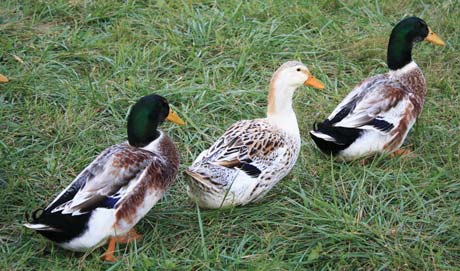 disease which is infectious and can spread from bird to bird. These include ‘germs’ (bacteria, viruses, fungi), external parasites (lice and mites) and internal parasites (worms, coccidiosis, blackhead). As well as these, there are factors with which the birds can not cope, such as nutritional deficiencies, poisons, injury and physical stress. These also make birds sick, but are not spread between birds. In many cases of infection, birds keep illness at bay and do not appear sick. These so-called carrier birds do not look sick but can spread disease, often without detection.
Disease spread.
Disease agents can enter the property and spread (whether newly introduced or already established disease) in a variety of ways:
- live birds (whether healthy, sick or carriers) - their droppings, feathers and discharges
- people - their hands, clothing and footwear. Always start work with the younger stock and finish with the oldest
- contaminated equipment
- eggs
- air
- feed and water
- animals (dogs, cats, rats, mice)
- insects (mosquitoes, flies and beetles).
Knowing the way that disease spreads helps to decide what management and hygiene measures should be taken. Some recommended hygiene procedures and precautions are listed below.
Housing and equipment.
- Allow enough floor, feed and water space for the specie’s requirements and code of practice.
- Provide shelter and shade.
- Cover concrete floors with sawdust, pine shavings, straw or sand; these coverings are drier and easier to clean than dirt floors. If the litter is dry, odours are reduced and disease risk is minimised.
- House fowls, ducks, turkeys and peafowl separately as each can carry diseases which can make the others sick.
Hygiene.
- Keep the pen well-ventilated and free from dampness and draughts.
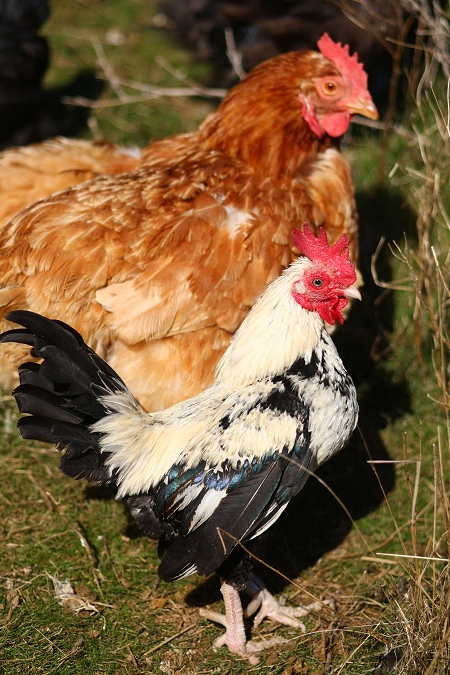
- Sunlight is one of the best disinfectants.
- At least once a year wash and spray the shed with a disinfectant and insecticide, and remove all the old litter. Rake over dirt floors and spray with disinfectant or sprinkle with slaked lime; take out and clean all moveable objects.
- Leave the pen empty for 2 - 4 weeks.
- Regularly clean water bowls and feed troughs; scrub water bowls twice a week.
- Maintain a continuous vermin control program and remove all rubbish.
Feed and water.
Provide your flock with plenty of cool, clean water. Always keep feed dry as this maintains freshness and prevents mould growing. Only buy enough feed for six weeks as some feed ingredients, particularly vitamins and minerals, break down. Store feed in a cool and dry area.
Breeding and incubation.
If parent birds are not fit and healthy but are provided with clean nesting boxes, the chicks will also be unhealthy. Sound hygiene is extremely important and incubators should be routinely cleaned and fumigated to maintain chicken health.
Brooding.
Cleanliness is most important in young birds because they have little resistance to disease. Clean each pen before new batches of chickens come along. Whatever the brooding system, the birds need heat, water, feed, light and good management. Good managers are students of animal behaviour. They can tell when the chickens are too cold or too hot by their distribution or the sounds they make. They can recognise early signs of disease by the way the chickens move.
Introducing new birds.
When introducing new stock there is a danger of bringing in disease-carrying birds.
- Obtain your new birds from a reliable supplier of healthy stock. Only buy young birds as the older birds are, the more likely they are to be disease carriers.
- Quarantine your new birds away from your existing flock for at least one month and watch for any signs of sickness, lice or mites. As a general precaution treat the birds for worms. Observe good personal hygiene practices when working with introduced birds; it is bad farming practise to mix between new birds and your existing flock as you may spread disease from one to the other. Clean pens or cages before restocking.
Bird shows.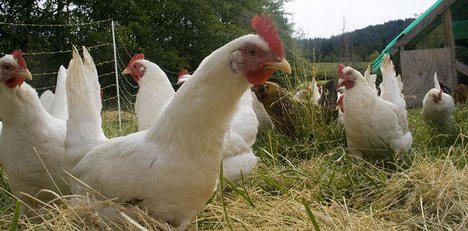
Showing birds is extremely risky for spreading disease as the birds are in close contact. If the hygiene standards at a show are inadequate then exhibitors should make it known as the main reason for not showing their birds. On returning home, show birds should always undergo a period of quarantine before re-introduction to the flock.
Parasite control.
Controlling internal and external parasites helps minimise stress and keeps birds in good condition so they can resist disease.
Regularly inspect your birds for external parasites. Spray or dust your birds thoroughly with an insecticide if you can see lice or mites. Also spray the shed, perches and nests thoroughly, making sure the insecticide gets into crevices. Worm your birds regularly for roundworms, although tapeworms, hairworms and caecal worms can occasionally cause problems.
When birds are sick.
Obtain a diagnosis from a qualified person as soon as possible if your birds become sick. Many diseases cause similar signs and it can be difficult for the unskilled to make an accurate diagnosis. When a disease is identified, the right treatment can be given. Management is the most important factor in disease control.
Author:
Bronwyn Runge.



