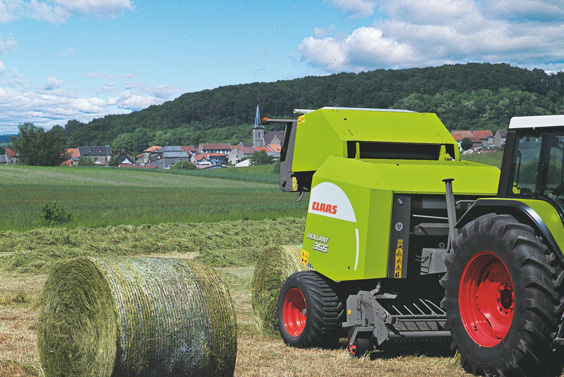
Silage being baled for storage
Introduction
There are a number of long-term implications for whole farm management when silage is first incorporated into the production system or significantly expanded.
These can be thought of in terms of increasing land productivity, efficiency of resource use and management control over production.
Increased land productivity may occur through pasture or replacement of some pasture with forage crops.
Efficiency gains may occur in the use of land, water, nutrients and capital. Greater management control enables the desired product to be sold on time.
Greater flexibility and new marketing opportunities
Silage production may provide new options, such as:
- Potential for new or supplementary animal enterprises on the farm;
- Sale of surplus crop/pasture/silage; ). finishing or opportunity feedlotting cattle and sheep for slaughter (including purchase of additional animals);
- Ability to change calving or lambing time to improve reproductive performance and produce ‘out-of-season’ product for high-value markets; ability to target new markets; and better integration of existing enterprises, such as animal production and cropping.
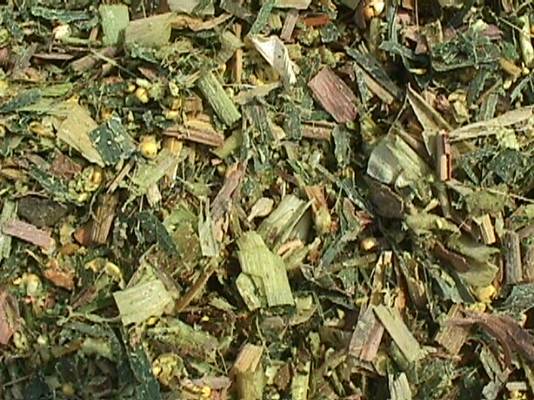
Corn Silage
Possible management changes for the current animal production enterprise
The decision to produce silage, or expand the use of silage in livestock enterprises may lead to other changes on the farm, such as:
- Changing the cropping rotation to grow specialist silage crops,
- Increasing fertiliser use to maximise yield and replace nutrients removed by silage cuts; changing irrigation strategies to meet grazing and silage-making demands;
- Increasing stocking rates to utilise conserved forage;
- Reducing reliance on irrigation for forage production for grazing and on supplementary feeds such as grain or hay;
- Potential to improve water use efficiency on irrigation farms; and modifying the drought or flood risk strategy.
The planning process
When these whole farm implications have been considered at the individual farm level, technical and operational issues need to be taken into account, including:
- The cost of silage compared to alternative feeds;
- Land, machinery, buildings and labour requirements associated with silage use;
- Planning and logistical issues such as the efficiency of feeding systems, and the siting of silage storage and feedout facilities;
- The quantity of silage required — number of animals to be fed, duration of feeding and proportion of silage in the diet;
- Silage quality targets — the level of animal production required;
- The choice and cost of the silage
- Production and feeding systems;
- Management required to optimise silage quality;
- Management required to minimise harvest, storage and feedout losses; and ). a plan for ongoing monitoring (quality assurance) of the silage operation.
When farmers are confident that the use of silage is technically feasible, and that all the implications of incorporating or expanding the use of silage in the farming system have been considered, they then need to investigate the economic viability of this strategy
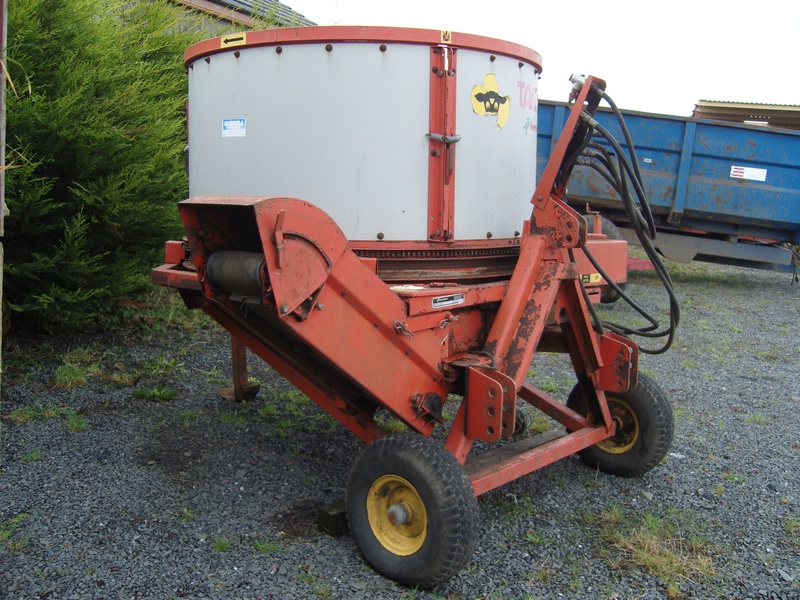
Silage chopper
The Key Principles for a Successful Silage Program
On any farm where silage is made, there are three key principles that should be the focus of a successful silage program. These are emphasised throughout this publication.
1. Improved economic decision making: There is increasing pressure for management decisions to be economically justified. Decisions concerning silage use should not be made in isolation of other activities on the farm — a ‘whole farm’ approach is essential.
Farmers need to be aware of the costs and potential returns for silage, and a strong emphasis is needed on improving economic performance. Chapter 11 looks at the economic decision-making process.
2. Improving quality: It is almost always better to have a lower yield of a higher-quality silage than to compromise silage quality in order to maximise the quantity of forage harvested per hectare.
3. Reducing losses: One of the key factors affecting the cost of silage are the losses that can occur at each stage of the production process — in the field, during storage, and during feeding out.
There can be losses in both quality and quantity. Losses must be minimised to improve the economic performance of silage systems.
Pasture Management
Most silage produced on farms is from surplus pasture or specifically grown crops. Silage production can be integrated with grazing management to:
- Manage pasture surpluses and so improve pasture utilisation;
- Provide higher quality forage by cutting early for silage and utilising regrowth after silage making, and by allowing more grazing pressure on the rest of the farm;
- Increase pasture production by maintaining pastures at a more active growth stage longer through increased grazing pressure;
- Improve weed management through strategic cutting to reduce the production of viable weed seeds;
- Reduce the need for slashing (or mulching) on some farms to maintain pasture quality; and
- Close paddocks or reduce the grazing pressure on pastures at critical time(s) of the year by strategic feeding with silage to improve the survival and productivity of desirable pasture species.
The last point is particularly relevant in southern Australian where late autumn `breaks’ often result in poor pasture growth during winter. Reducing grazing pressure allows the pasture to more quickly increase leaf area, thereby increasing growth rates and production over winter. Depending on the pasture species, growth rate is optimised at pasture heights of 5-10 cm.

