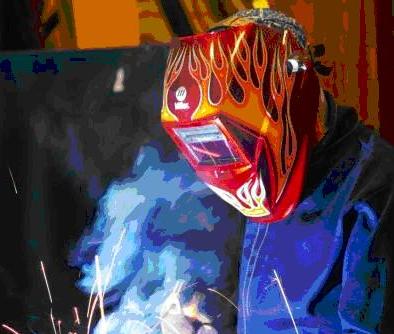
 How to Weld
All metals have different characteristics that affect their ability to be welded or cut. The welding process involves melting the base metal parts and adding filler metal that has the same melting temperature and characteristics of the parent metal.
Metals are divided into two categories, ferrous and non ferrous. Ferrous metals contain iron such as cast iron, mild steel, forged steel, and stainless steel. where as aluminum is a non- ferrous metal. Each metal type requires different welding procedures and filler rod metals.
These are the four major welding processes that are used both in industry and for the home hobbyist.
Gas metal Arc Welding. (GMAW)
Also referred to as MIG Welding or metal inert gas welding. The most versatile and most used of all the weld processes. Uses a continuous wire feed electrode fed through a welding gun along with a continuous flow of shielding gas.
The advantages of a mig welder are many, the gun is easy to manipulate and keep at a uniform distance from the work, a continuous wire feed allows longer welds to be run, the weld remain smooth and clean because of the shielding gas. Mig welders can operate at very low temperatures and is ideal for sheet metal work.
Disadvantages of a Mig are in outdoor situations where the shielding gas can be blown away in a breeze, and also in tight situations where the size of the gun nozzle limits maneuverability. Both situations can be overcome however by using gasless wire in the machine. Mig welding is ideal for welding mild steel, stainless steel and aluminum.
Mig welding is also one of the easier processes to learn .
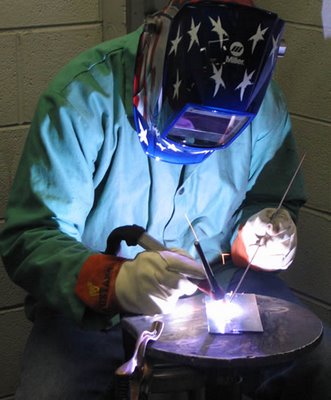 Gas Tungsten Arc Welding (GTAW)
Also referred to as TIG or tungsten inert gas welding Tig welding is a process that generates an arc between a non consumable electrode and the work. The electrode and the weld are protected by a gas shield, and a filler rod may or may not be used.
Tig welding is similar to gas welding but requires considerably more skill. Used for doing fine work and where a high standard of metal finishing is required without the need for excessive clean up, such as bicycle frames, furniture and food manufacturing equipment..
As Tig welding is a very clean process its ideal for stainless steel and aluminum.
Shielded Metal Arc Welding (SMAW)
Often referred to as a stick welder, arc weld involves heating the base metal to fusion by a thermal arc using a welding electrode. The covering on the electrode provides both a flux and shielding gas for the weld.. Electrodes range in thickness from 2 mm for light work and up to 5 mm for heavy steel.
Stick welding is used for steel fabrication, construction, and repair and maintenance work, more suited to metal thickness 4 mm and upwards. Thinner metals and aluminum are more suited to the GMAW process. See; how to weld aluminum.
Oxyacetylene Welding
Learning how to oxyacetylene weld is a relatively easy process to master and uses a gas flame to melt base metals and fuses them together. The gas flame is created by the combustion of oxygen and a fuel gas such as acetylene, propane, butane or natural gas. The hottest of any gas flame is capable of melting most metals.
Gas welding today is generally restricted to welding thin sheet metals and brazing of mild steel, and copper pipe work. , Braze welding is used for joining dissimilar metals and metals of different thickness and often used to repair cracked or broken cast iron.
With the relative scarcity of trained welders in many regions of the country welding can be a rewarding and exciting career. Personnel are sought after in felids in civil construction, machinery, ship building, agriculture, food processing, automotive, furniture, technology and many more.
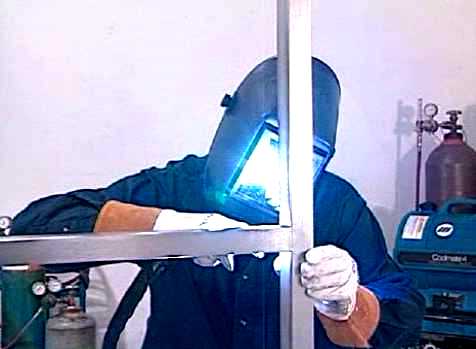 How To Weld Aluminum
Even if you are experienced in welding steels, learning how to weld aluminum can still be quite a challenge. The oxide coating, lower melting point and high thermal conductivity, can lead to problems unless you know to do through preparation and setting up the equipment.
While mig welding is used extensively in fabrication industries such as boat building, the most applicable for lighter gauge aluminum is tig welding both for strength and cosmetic appeal.
Welded aluminum is used for such applications as aluminum bicycle frames, wheel chairs, fencing and balustrades and aerospace work, also commercial airline engine casings, seat frames, ductwork, and any-where else where lightness and strength is required.
To weld aluminum, two main processes are generally used, Mig (GMAW) or Tig (GTAW) each uses different equipment and methods.
Mig & Tig Filler materials
Tig aluminum filler material is available in short easily handled lengths of about 500mm long, where as mig filler is aluminum welding wire on a feed spool, both come in various size diameters depending upon the aluminum to be welded. Keep filler material dry and free from oxidation and other contamination. If you use your mig welder for welding steels and aluminum you will need to replace the inner cable liner and welding tip each time you switch processes, aluminum liners are usually made of Teflon, where as a metal liner is also metal. Using aluminum wire in a metal liner will result in contamination of the weld.
Work preparation
Aluminum work must be cleaner than steel work pieces to be welded effectively. The first step is to remove oils and greases from the work piece by wiping the area with a solvent or washing it with a mild alkaline solution. The second step is to remove all oxides, which can be done with a stainless steel wire brush. Never use the same brush on aluminum and steel or it will become contaminated.
Not only do you need to clean well before beginning, but you also should remove the smut or soot between passes. This soot is fine particles of aluminum oxide and magnesium oxide. Proper welding techniques will minimize the amount of soot produced.
Shielding Gas
Usually, 100 percent argon gas is preferred for aluminum GTAW, but when working with thicker materials, such as 1/2 inch or greater, add helium in the range of 25 to 50 percent. Helium makes the arc hotter and provides for more penetration.
 Torches and mig guns
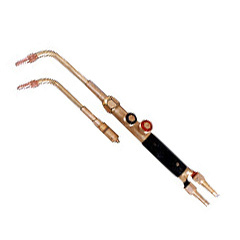
If the application is light-duty fabrication requiring up to 150 amps, an air-cooled torch or hand piece may suffice. Higher-amperage jobs require a water-cooled torches and hand pieces. One feature to look for in a good torch is a flexible head, which offers maneuverability and reaches tight areas. Trying to access tight areas is a main drawback to using a mig set-up due to the size of the gun or hand piece.
When you learn how to weld aluminum, you can reduce the number of errors you make by learning to set up your welder using proper gasses, wire feeds, and electrodes and using correct preparation of your work. Plus getting advice from tutorials and more experienced welders. In time, you will feel as confident welding aluminum as you do steel.


