KEY MESSAGES
- Meat with a pH above 5.7 tends to be darker than that desired by consumers and has poorer keeping and eating qualities than meat with a pH below 5.7.
- Meat pH is determined by the amount of muscle sugar (glycogen) in the muscle when the animal is slaughtered.
- High-energy diets (above 11 megajoules metabolisable energy per kilogram) before slaughter will increase reserves of muscle sugar and help to maintain good meat colour.
- Stressful activities such as handling or transport will deplete reserves of muscle sugar.
- Merino sheep tend to be more susceptible to stress than British breeds or cross breds.
- Magnesium oxide supplements (one per cent for four days before slaughter) will reduce the stress response.
The Significance of Meat Colour
Colour is a key issue in the eating quality of meat. The trade discounts dark cutting meat, as consumers prefer meat to be “cherry red”. Dark cutting meat:
- is less visually attractive to consumers;
- takes longer to “bloom” on exposure to air;
- is tougher;
- has poorer keeping qualities;
- takes longer to cook;
- has a stronger flavour, and
- yields less.
Acidity determines colour
Acidity interacts with the pigments in meat and is a major determinant of meat colour. Acidity is measured by pH. If meat has a pH greater than 5.7 it tends to be dark and have the properties listed above.
Muscle sugars determine acidity
Meat acidity depends on the amount of lactic acid formed from muscle sugar (glycogen) after the animal is slaughtered. High sugar levels before slaughter result in a low pH, around 5.5, and desirable colour.
Nutrition and stress are the key determinants of muscle sugar. Nutrition can fill the glycogen reserves similar to filling a bucket, while stress can drain glycogen reserves as holes would drain a bucket.
Merino sheep are more susceptible to dark cutting than British breeds and crossbred sheep because of their increased susceptibility to stress.
Finish on high energy diets
Feeding high-energy diets of around 11 megajoules of metabolisable energy per kilogram will increase stores of muscle glycogen. Grain-based diets are generally required to achieve this level of energy. However, research has shown that high energy feeding is only required for seven days to increase muscle sugar.
In practice, 14 days is recommended to allow safe introduction to grain diets and to ensure that all animals in a group are eating the diet. In other words, sheep that reach marketable weight and fat score ranges on low-energy paddock diets, will require a final two-week grain-based feeding program to ensure desirable meat colour.
Shearing and Feeding
Feeding is especially important for sheep shorn within four weeks of slaughter and exposed to cold or wet conditions. Without the insulating properties of their fleece, sheep exposed to cold conditions will draw on energy reserves to balance energy requirements. This can have a direct effect on muscle sugar if dietary energy is limiting. If sheep are fed high energy diets after shearing they can compensate to the point where stores of muscle sugar are unaffected by cold. Again, feeding need only be for two weeks before slaughter.
Feed additives to prevent stress
Adding magnesium oxide to the diet at a rate of one per cent (10 kilograms per tonne) for four days before slaughter, can reduce the losses of muscle sugar caused by the stress of transport and lairage. Magnesium blocks the effects of adrenaline and therefore prevents stress from causing muscles to use up stored sugar. However, it should not be added to diets for longer than four days as the effect wears off when it is fed for longer. Also, adding magnesium is not as important as the energy in the diet that will ensure sheep start with high stores of muscle glycogen before they leave the farm for the abattoir.
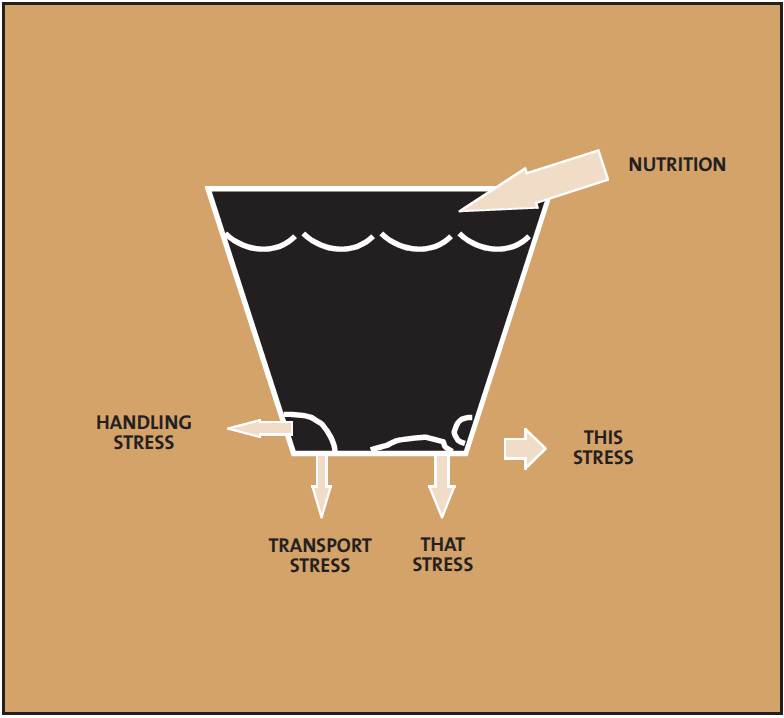
Figure 1: Nutrition fills the glycogen bucket and stress can empty it.


