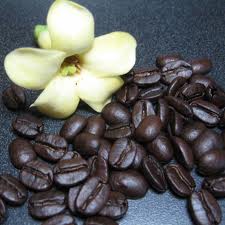
Flavoured Hawaiian Coffee
Does coffee contain additives, like preservatives?
No, coffee is always 100% natural and does not contain any additives. Coffee is simply the seed of the coffee plant (the coffee bean), which is ground and roasted. Using different coffee beans, the method of roasting and blending creates different types of coffee. Also, decaf coffee has no additives. Decaf, or caffeine-free coffee is pure coffee, from which the caffeine has been removed. Coffee remains fresh thanks to vacuum packaging and therefore needs no preservatives. As soon as coffee contains additives, it has to be declared on the packaging.
What about Caffeine in coffee?
Caffeine is a natural component in all coffee. The most important effect of caffeine is a light stimulation to the nervous system. This can result in feeling less tired & more energetic. It can also have a positive effect on concentration and speed of reaction. The effect of caffeine depends on body weight and the individuals’ biological makeup. Percolated coffee contains about 60-120 mg caffeine per 250 mL cup, Instant coffee (1 teaspoon/cup) 60-80 mg of caffeine per 250 mL cup. Other products, like tea, also contain caffeine. It is claimed that 90% of North American adults consume caffeine daily. Some medical authorities have concluded that prudent advice is for pregnant women to limit consumption to the equivalent of two cups of coffee per day or less.
Is coffee bad for health?

Electric Coffee Percolator
There is no conclusive evidence that indicates that a moderate amount of coffee is bad for your health. Since the discovery of coffee, many therapeutic effects have been attributed to it. Modern science recognizes the effects of caffeine, such as stimulation of the metabolism and an increase in the ability to react. Normal coffee drinking does not have any harmful consequences for a healthy individual, although not everyone can tolerate caffeine equally well. Some drink coffee in the evening and fall asleep without any difficulty, while others may have more difficulty in falling asleep. This is equally true of tea, which also contains caffeine.
Does coffee contain calories?
Practically none. Neither does instant coffee. The addition of milk and sugar in a cup ofcoffee however, does add calories. Also, mixed instant coffees like Wiener Mélange or cappuccino, contain calories because they contain milk and sugar.
How many different coffee beans exist?
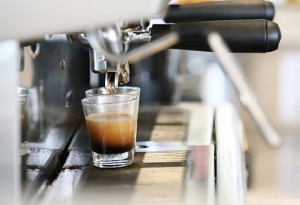
Expresso coffee
There are more than 60 different varieties of coffee, but for trade purposes the Arabica and Robusta are the most important. Arabica is a well-flavored, aromatic coffee with less caffeine than Robusta, which has a somewhat unrefined, earthier taste. Coffee types are distinguished by the variety and origin (highland or lowland), the flavor and the aroma of the bean.
How many countries in the world grow coffee?
Coffee grows exclusively in tropical and sub-tropical regions. The present coffee-producing belt around the globe comprises about 70 countries involved in cultivation, and lies between the latitudes of 23 degrees north and 25 degrees south.
Which different brewing methods exist?
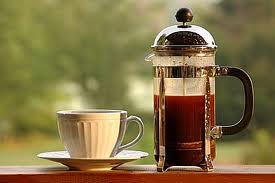
French Press coffee maker
There are many different brewing methods, some of which are culturally related. Most commonly known is the filter method. Also, the espresso method is increasingly known and popular throughout the world. Furthermore, the following, more special methods are known: Middle Eastern coffee (Turkish or Greek coffee), French press or cafetiere, Drip filter, Neopolitan flip and percolator, Vacuum / Cona, Portion packages and cold water extract method. For optimal brewing and serving in a professional food service operation there are smart coffee systems available like the Cafitesse and Piazza d’Oro (Espresso).
Source
Australian Government Food Standards, Douwe Egberts Coffee Systems, Sydney Morning Herald


