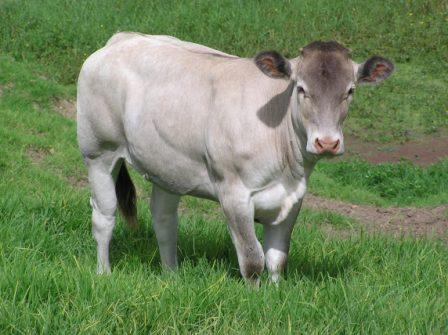
 Guidelines for culling heifers and cows
Cull as early as possible (but at a convenient time), commonly at weaning of calves. The initial culling is based on the female being empty at pregnancy diagnosis or having calving difficulties at the previous calving. If pregnant, then cull on physical factors such as unsound feet and legs, damaged or lost teeth, aged over 10 years old (or required age structure of the breeding herd for desired rate of genetic progress), history of inability to wean a calf or of calving difficulty.
To achieve the targeted rate of genetic progress and change in herd structure, a defined culling policy is needed for older cows. But if cows are culled too young, the overall herd performance may be reduced because calves born to heifers are 15% lighter than those from mature cows.
If the animal is required during a change in the age structure or rebuilding of the herd, re-mate and manage as a group separate from the main herd. The cost of culling all infertile cows (that is, not pregnant in 45 days mating) in a program aimed at realigning calving pattern, can be too high to complete in one year. Correcting an unsatisfactory spread in calving may need to be completed over about three years.
When infertile heifers and cows without calves are not culled, these non-pregnant animals consume pasture that can be productively used to grow stock and increase the throughput of saleable product. If retained these culls should be grown to a saleable weight for a target market.
What to measure and when
• Presence of fetuses at pregnancy diagnosis;
• Fat deposition rates to avoid fatty udder syndrome;
• If pregnant, then physical factors such as structural soundness, teeth, age, ability to wean a calf and history of calving difficulty.