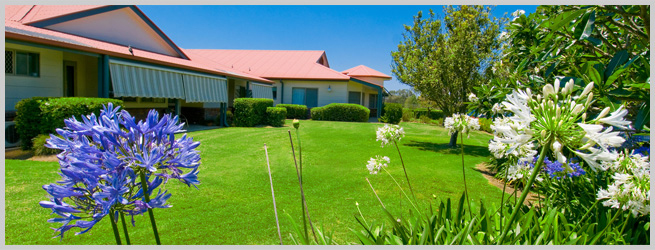
CT-2 - Green Couch
Scientific name: Cynodon dactylon
Other names: Species common names
Green couch (Australia), Bermudagrass (USA)
Cultivar name: CT-2
Other brand names: Marketed internationally by the Greg Norman Turf Company as GN-1
Origin: Bred in a controlled crossing program in California (34°N latitude) by Hubert F Whiting
Global growing areas: USA, Australia (available in Australia from licensed growers)
IP protection: US Plant Patent No. 6841. Australian Patent No. 610167
 Details
- Texture: Fine.
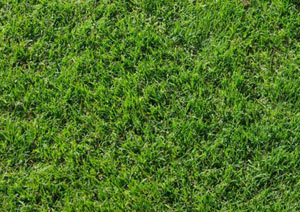
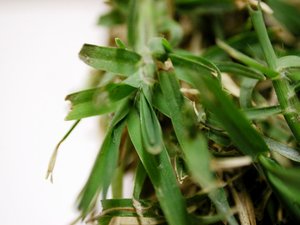
- Description: Low-growing lightly pubescent variety with dark green leaves. Spreads rapidly by fine reddish-coloured stolons and rhizomes. Produces less thatch but forms a more open surface than denser cultivars like Grand Prix, Riley´s Super Sport, Windsor Green, Wintergreen and Winter Gem.
- Use: Golf course fairways and tees, sportsfields, lawns, parks and general landscaping.
- Mowing height: Best at 15-25 mm.
- Method of propagation: Vegetative sod, sprigging.
- Preferred soil types: Sandy to clay loams (pH 6-8) maintained with good nitrogen fertility (as per other Cynodon dactylon cultivars).
Comments
Cultivar showed less thatch build-up than other US green couch cultivars at the time this variety was selected during the 1980s. Low seed head production
 Tolerances
- Heat: Good.
- Cold: Good winter colour retention in the absence of frosts, but in southern Australia (e.g. Melbourne) loses quality during winter relative to other varieties selected from colder climates.
- Shade: Poor shade tolerance.
- Drought: Good tolerance of dry conditions.
- Salinity: Medium-low salinity tolerance. Among the poorest of the green couch cultivars tested for salt tolerance.
- Herbicide sensitivity: DSMA and MSMA can be used to remove other grasses. A wide range of herbicides can be safely used to remove broadleaf weeds, but more sensitive than other green couch cultivars to high rates of some broadleaf herbicides (e.g. fluroxypyr). Use only registered herbicides in accordance with the label.
- Pests and diseases: Lawn grubs (army worm, sod webworm) during summer and autumn.
Photos used on this page are not necessarily photos from DEEDI
For more information and updates on warm season turfgrasses, their production and management please go to http://www.dpi.qld.gov.au/turf
For updates on CT-2 please go to http://www.dpi.qld.gov.au/26_4194.htm



