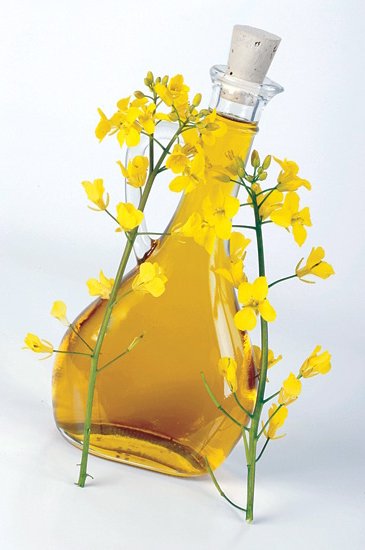
 Information on
Canola Oil
in INFORMED FARMERS
Canola was developed in the early 1970s using traditional plant breeding techniques by Canadian plant breeders to remove the anti-nutritional components (erucic acid and glucosinolates) from rapeseed to assure its safety for human and animal consumption.
The canola plant also produced seeds with a very low level of saturated fat, seven percent or below.
Christened “Canola” from “Can” (for Canada) and “ola” (for oil low acid), canola is not, strictly speaking, rapeseed.
There is a internationally regulated definition of canola that differentiates it from rapeseed, based upon its having less than two percent erucic acid and less than 30 umoles glucosinolates.
Oilseed products that do not meet this standard cannot use the trademarked term “Canola.”
The following articles have been sourced as quality information on Canola Oil. To make the information easier to find, we have grouped the articles into subject groups. To examine these articles, please click on the article highlighted blue.
Canola Conventional Varieties and High Stability Varieties
Canola Clearfield Varieties and Clearfield Juncea Canola
Triazine Tolerant Canola Varities and High Stability
Roundup Ready Canola Varieties and High Stability
Rotation effects, Sowing And Variety Selection Of Canola
Canola Nutrtion, Insects and Diseases
Canola Weed Control and Harvesting
