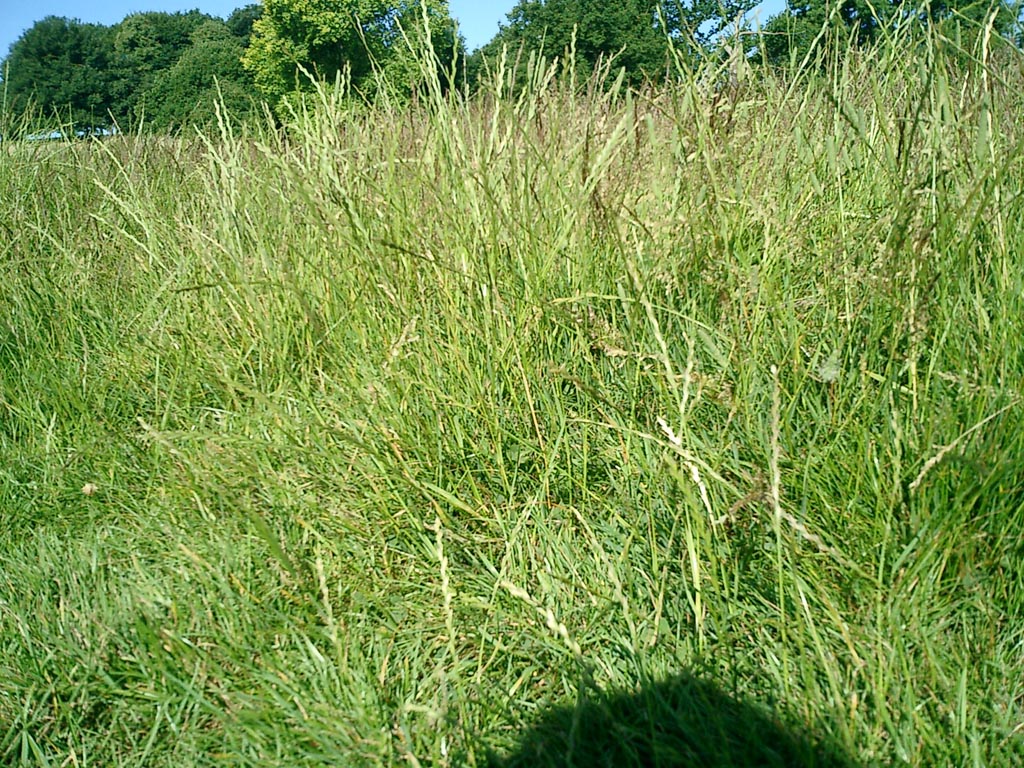
 What are Fodder grasses?
Forage Grasses are grass plant material (mainly plant leaves and stems) eaten by grazing livestock.
Historically the term forage grasses has meant only grass plants eaten by the animals directly as pasture, but it is also used more loosely to include similar grasses cut for fodder and carried to the animals, especially as hay or silage.
Common Grass Fodder Plants include:
Signal grass (Brachiaria decumbens)
Humidicola (Brachiaria humidicola)
Indian Bluegrass (Bothriochloa pertusa)
Forest Bluegrass (Bothriochloa bladhii)
Black Speargrass (Heteropogon contortus)
Kangaroo Grass (Themeda triandra)
Guinea grass (Panicum maximum)
Buffel grass (Cenchrus ciliaris)
Molasses Grass (Melinis minutiflora)
Couch Grass (Cynodon dactylon)
Antelope grass (Echinochloa pyrmaidalis)
Olive Hymenachne (Hymenachne amplexicaulis)
Entolasia imbricata
Intermediate wheatgrass (Thinopyrum intermedium)
Bluegrasses or meadow-grasses (Poa species)
Kentucky bluegrass or smooth meadow-grass (Poa pratensis)
Rough meadow-grass (Poa trivialis)
Texas bluegrass (Poa arachnifera)
Bromegrass or brome (Bromus species)
False oat-grass (Arrhenatherum elatius)
Fescues (Festuca species)
Red fescue (Festuca rubra)
Meadow fescue (Festuca pratensis)
Tall fescue (Festuca arundinacea)
Orchard grass or cock’s-foot (Dactylis glomerata)
Reed canary-grass (Phalaris arundinacea)
Ryegrasses (Lolium species)
Italian/Annual ryegrass (Lolium multiflorum)
Perennial ryegrass (Lolium perenne)
Information on selected grasses from this list is shown in Blue.
This information is also shown in the
Pastures Section of INFORMED FARMERS
