 The Hunter (and Mid North Coast) is in the sub-tropical/temperate climatic zone and temperatures are generally mild. The region can also experience considerable variation including floods and droughts (NSW Agriculture 2002). Topography, elevation and proximity to the ocean create climatic variation and contribute to soil and production differences. Hence, an understanding of local climatic features is useful when assessing the potential of a property for sustainable cattle grazing enterprises.
Rainfall
The average annual rainfall for most of the Hunter and Mid North Coast is between 500mm to 1100mm, with a summer/autumn maximum, but there is considerable variation. The western extremities receive around 600mm, whilst the south and northeast regions with higher elevation or closer to the coast receive over 1,000mm on average (see Figure 1).
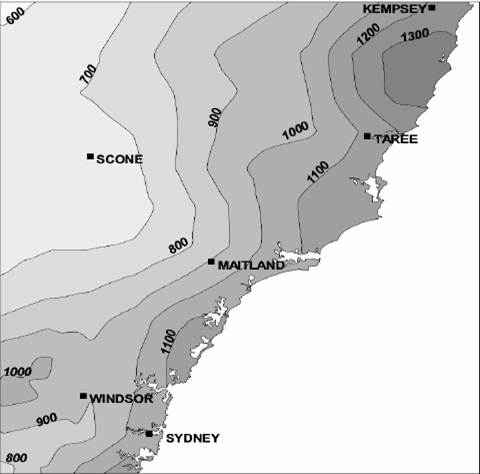
Figure 1 – Average Annual Rainfall patterns
Average annual rainfall figures can be deceptive - what actually falls varies considerably from year to year, and from month to month. This variability and unreliability can be just as important as the total average rainfall for defining agricultural potential and management needs. Inland, valley floor areas typically have higher climatic variability than coastal or mountainous areas.
The average number of rain days per year also decreases from east to west up the Hunter Valley, in a similar pattern to average rainfall. Coastal areas and the northern parts of the region, however, are more likely to experience summer thunderstorms with high intensity rainfall. In such areas, lower stocking rates over summer can help retain effective groundcover and avoid erosion, especially on steeper sites and higher risk soils.
Temperatures
Summer maximum temperatures are warm to hot (average 30° C) throughout most of the Hunter region. Winter temperatures are cool to mild, with moderate frosting in some areas. In the Upper Hunter, lower temperatures over the winter months and more extreme summer temperatures can limit plant growth, resulting in lower average productivity than that for similar soils nearer the coast.
A frost-free period of seven months is usual for most of the Valley with the first frosts occurring in early May and continuing until late September. As height above sea-level increases, frosts become more numerous and severe and the frost-free period decreases with a resulting decrease in annual productivity.
The climate of the Lower Hunter generally supports higher volumes of pasture growth over a longer period, but the increased leaching of nutrients due to rainfall and the increased moisture content of the available feed can reduce the actual feed value of each kg of pasture, unless soil fertility levels are also high.
Rainfall also affects the leaching of free lime bases, so that soils in higher rainfall areas tend to be more acidic. All coastal soils are naturally somewhat acidic, but high levels of soil acidity can limit nutrient availability and increase the risk of aluminium toxicity, thus restricting plant growth rates.