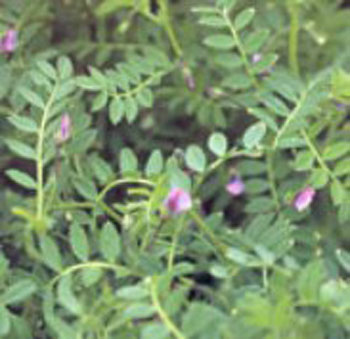
 Chickpeas are pulses. They are an annual leguminous crop and the grain is used for human and animal consumption. Pulses do not include green beans and peas as these are considered vegetable crops. Crops grown mainly for oil extraction (e.g. peanuts and soybean) are also excluded. Pulses are the major source of protein in vegetarian diets. They have a protein percentage of 20-25%, in comparison to wheat which is half this and rice which is only one-third.
Chickpeas are prepared and eaten in a variety of ways. Dahl, which is where the grain is split, is one of the most popular foods derived from Desi chickpeas. Kabuli chickpeas are mainly consumed as a whole seed. Chickpeas are a staple food in the Middle East and the subcontinent. The consumption of pulses in the western world is increasing as diets are becoming more diverse and people are recognising pulses’ nutritional value. However, this is still a very small percentage of global consumption. Only 1% of Australian chickpeas are consumed locally with the remaining percentage exported. India is the largest buyer of Australian chickpeas.
Chickpeas are a winter crop, and because they are leguminous, are valuable as an alternative crop in a cereal-based farming system. They are also an excellent break crop from diseases, weeds and pests.
The role of chickpeas in farming systems of the northern region
Chickpea growing
Other than moisture availability, crown rot and declining soil nitrogen are the biggest limitations to achieving higher wheat yields in the grain northern region. Long-term tillage and rotation trials conducted by the Department of Employment, Economic Development and Innovation (DEEDI) and the New South Wales Department of Primary Industries have shown that through the adoption of best management practice (BMP) and breaking cereal monocultures by allocating 15-20% of winter cropping area to chickpeas, leading growers in Queensland and New South Wales have seen an average increase of 1 t/ha in yield and 1% in grain protein content in their following wheat crops. Research results and grower case histories are presented in the publication Northern grain production - a farming systems approach (contact Pulse Australia for a hardcopy).
Chickpea is now recognised as a reliable, profitable winter crop with a vital role in our farming systems and has great potential throughout the whole of the grains northern region. Further growth of the industry has been supported by the release of new, adapted varieties such as Kyabra (broadly adapted and with exceptional seed quality) and Moti (high yield, specifically for Central Queensland) and improved disease resistances such as Flipper and Yorker. Subsequent chickpea varieties will be released through Pulse Breeding Australia (PBA, a new joint venture between Grains Research and Development Corporation, state departments of agriculture and Pulse Australia).


