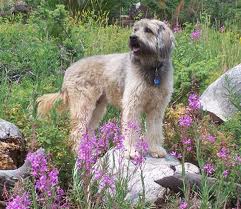
 The Catalan sheepdog is a breed of Catalan pyrenean dog used as a sheepdog. The dog is bred in Europe, especially in Catalonia, Finland, Germany, and Sweden.
Appearance
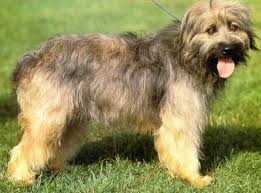
Catalan sheepdogs range in size from 17 to 19 in (45 to 55 cm) in height and 60 to 80 lb (20 to 27 kg) in weight for males, with females being smaller. Their coat is long and either flat or slightly wavy, and ranges from fawn to dark sable and light to dark grey. There is also a short-haired version of this breed, but is nearly extinct
Size and weight
Size: from 45 cm to 55 cm. Weight: around 20 kg
Hair and hair color
Long and limp and a little curled.
Temperament
This breed is used for herding and as a companion. Because of its intelligence, the Gos D’Atura, like most sheepdogs, are easy to train. This cheerful dog excels at dog-sports, such as agility and doggy-dance. In spite of its appearance, this courageous dog is also used as a watch-dog. An “all-around-dog” and great companion.
They guard sheep without needing instruction. Enough (outdoor) action and distraction makes this dog a quiet and well-balanced home companion. The breed is appropriate for people with firm techniques and who can give the dog enough exercise. Early socialization is important, particularly if the dog will be around children. The dogs defend their family and become attached to it.
 Activities
The Gos D’Atura can compete in dog agility trials, obedience, showmanship, flyball, tracking, and herding events. Herding instincts and trainability can be measured at noncompetitive herding tests. Catalan sheepdogs exhibiting basic herding instincts can be trained to compete in herding trials.
Health
Catalan sheepdogs are prone to hip dysplasia. Their average life span is 12 to 14 years.
Hip dysplasia is an abnormal formation of the hip socket that, in its more severe form, can eventually cause crippling lameness and painful arthritis of the joints. It is a genetic (polygenic) trait that is affected by environmental factors. It can be found in many animals and occasionally in humans, but is most commonly associated with dogs, and is common in many dog breeds, particularly the larger breeds.
Hip dysplasia is one of the most studied veterinary conditions in dogs, and the most common single cause of arthritis of the hips.