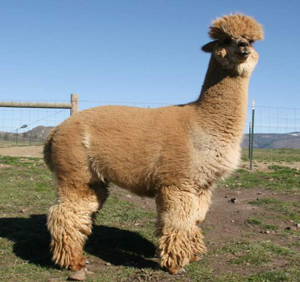
Alpaca
Good Livestock Farming Practices Make Good Sense
Livestock disease can be catastrophic for farmers and the farming industry through the loss of income and the loss of markets. Following good livestock farming practices is the best and simplest way to achieving biosecurity – to protect your stock, your profits and your industry.
WHAT IS BIOSECURITY?
Biosecurity refers to various management practices that reduce the risk of introducing disease onto your farm. You can protect the future of your farm and also the wider livestock industry, by recognising the importance of biosecurity in the day to day running of your property.
It is in your best interest to ensure that all potential risks are identified and managed. The likelihood of animal diseases occurring can be reduced by conducting routine inspections and implementing procedures for isolating new animals and managing visitors, fence maintenance and feral animal control as well as developing a general animal health program.
Biosecurity Plan
A biosecurity plan is essentially a set of commonsense principles that you recognise and consider in the daily operations of your property. It is not hard to initiate and is basically just good management practice.
Reporting Suspicious Signs of Disease
If you see signs of a new or suspicious disease in your stock, it is possible that other animals could be incubating the disease and control measures should be implemented as quickly as possible to avoid costly losses. It is in your interest to promptly report any unusual signs or unexpected deaths in your stock. Failure to do so could result in penalties and certainly wouldn’t be appreciated by your neighbours or others in your industry.
Quarantine
While Australia has enjoyed a marketing advantage because of our freedom from many harmful diseases, we can’t assume that this will always be the case.
The best way to reduce disease risks is for all livestock producers to take individual and collective responsibility to protect their industry by implementing appropriate biosecurity arrangements.
Animal Health Australia recently launched The Farm Biosecurity News e-newsletter. If you haven’t already seen it you can locate it at www.farmbiosecurity.com.au. Each edition examines one of the top five Farm Biosecurity issues; takes a look at biosecurity trends; updates you on AHA member news and looks at the latest Farm Biosecurity initiatives.
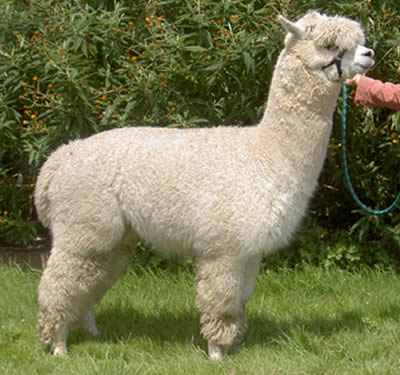
Alpaca
The web site also covers information on the main risk areas of animal movement, [state by state]Feed, Water, People Movement and Pests.
SECURE YOUR FARM – SECURE YOUR FUTURE
Securing your farm is about knowing the risks to your enterprise - the ways in which your livestock can be exposed to disease - and taking the steps to minimise the risks.
Use these simple guidelines to help you identify and manage risks.
RISK MANAGEMENT
Introduction of new stock · Only purchase stock from trusted sources
- Ask for health treatment history
- Isolate and observe purchased stock closely for at least a week
- Seek Vet advice if in doubt
Existing Stock
- Maintain boundary fences
- Regularly inspect stock for health issues
Vehicles
- Clean and disinfect any borrowed farm equipment
- Prevent visitor vehicles from entering paddocks or yards
Visitors
- Restrict visitors to a designated general area
- Do not share injecting or drenching equipment
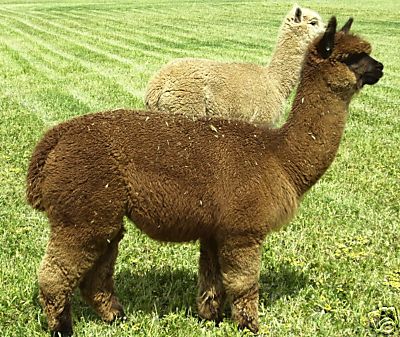
Alpacas
Pests and Feral Animals
Alpacas
- Develop a pest and feral animal control program
- Work with your neighbours to control feral animals
- Minimise feral animal attractants such as rubbish dumps, carcase disposal sites, stock feed waste.
Feed and Water ·
- Only purchase stock feed from trusted and quality controlled sources
- Where possible obtain a commodity
Vendor Declaration or a By Product
Vendor Declaration
- Keep storage areas clean, dry and tidy
- Regularly clean out water troughs
As you can see – good livestock farming practices make good biosecurity sense.
If you spot anything unusual in your stock, immediately call your veterinarian or stock inspector.
Look. Check. Ask a Vet.
Emergency Disease Hotline 1800 675 888
BIOSECURITY [Reproduced with permission from Animal Health Australia]



